Copyright © 2026 Crestwood Montessori School. All rights reserved By Digital Guider.

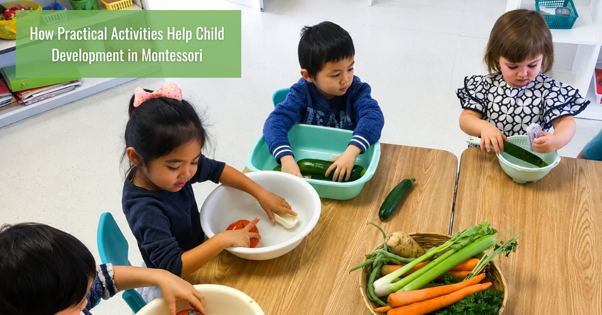
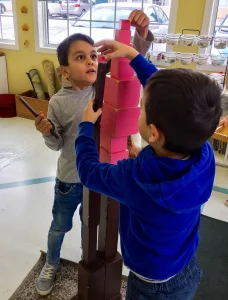
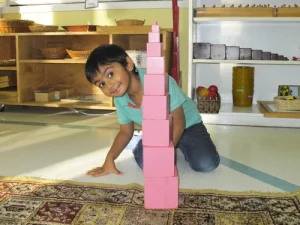
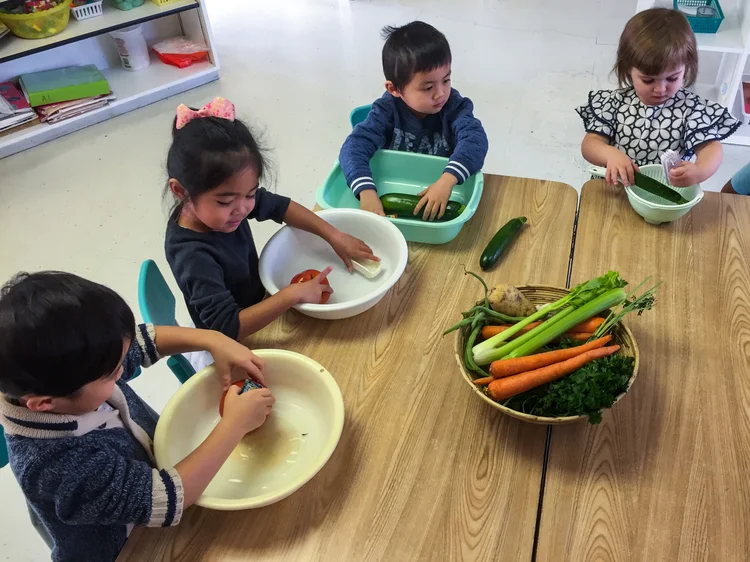
Young children love to touch, move, carry, and explore. They learn best when they do things on their own. In Montessori classrooms, children learn through simple daily activities that are fun and useful.
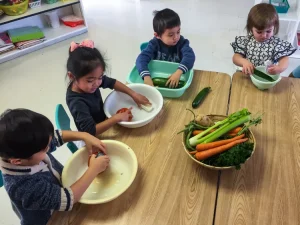
Children pour water, clean tables, fold cloths, and water plants. These small activities help children grow stronger, smarter, and more confident. They also help children learn how to focus and finish tasks carefully.
Many parents looking for Montessori Education for Children in Edmonton want a place where children can learn while having fun. Practical activities help children build life skills in a safe and happy classroom.
What Are Practical Life Activities in Montessori?
Practical life activities are simple tasks children do every day. These activities teach children how to care for themselves, help others, and keep things neat and clean.
Children use small tools made for their hands. This makes learning easy and enjoyable.
Some practical life activities are:
These activities may look easy, but they teach many important skills.
How Do Practical Activities Improve Motor Skills?
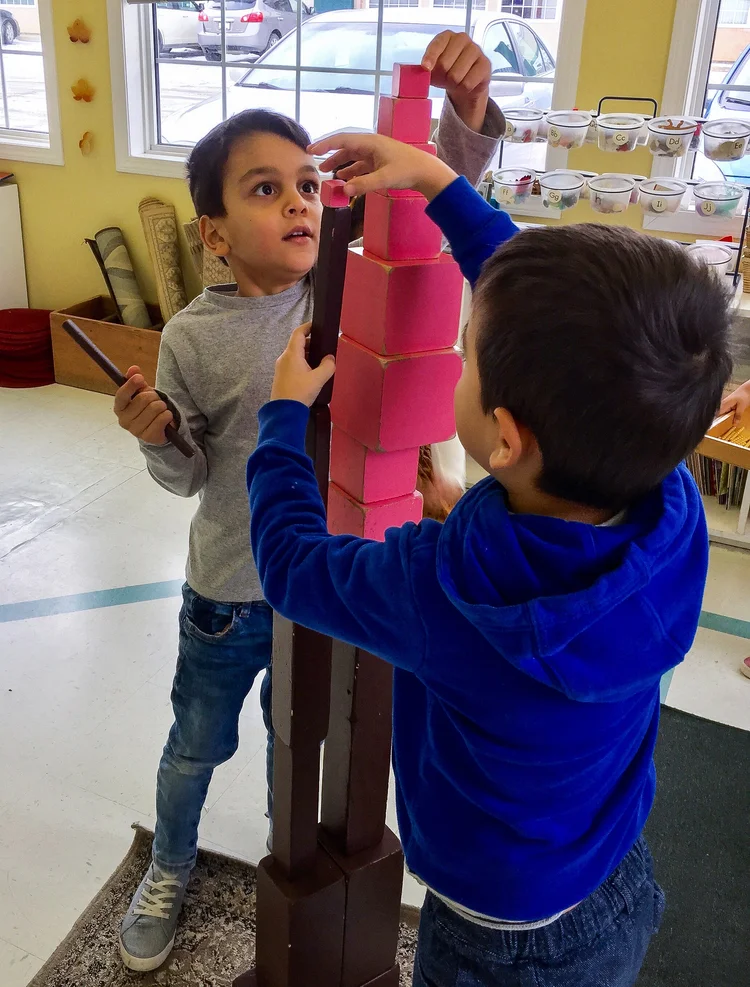
Practical activities help children move their hands and bodies better. Tasks like pouring water or picking up small objects help children strengthen their fingers and hands. Children also learn balance while carrying trays or walking carefully in the classroom.
These movements help children feel more comfortable and confident. Doing these activities again and again helps children improve hand control and body movement.
FAQ: At what age do children begin practical life activities in Montessori?
Children can start practical life activities at a young age. Toddlers can learn simple things like washing hands and putting toys away.
FAQ: Can practical life activities improve handwriting readiness?
Yes. These activities make children’s fingers stronger. Strong fingers help children hold crayons and pencils more easily later.
Building Independence Through Daily Tasks
Children feel proud when they do things by themselves. Montessori classrooms give children many chances to practice simple tasks on their own. They learn how to pour drinks, clean tables, zip jackets, and organize materials.
These small tasks help children feel confident and happy. They also learn responsibility. They put materials back in the right place after using them. This helps children stay neat and organized.
Why Is Concentration Important in Early Childhood Development?
Concentration helps children pay attention while learning. Montessori activities are calm and simple, so children can stay focused for a longer time. When children repeat activities carefully, they learn patience and focus.
They also learn how to finish tasks from start to end. Good concentration helps children become better learners in school and daily life.
Practical Activities Encourage Emotional Growth
Children feel happy when they complete activities on their own. Practical activities help children believe in themselves and feel proud of their work. Sometimes children make mistakes, like spilling water.
They learn how to stay calm and try again instead of getting upset. These experiences help children become patient, confident, and emotionally strong.
Social Development Through Collaborative Learning
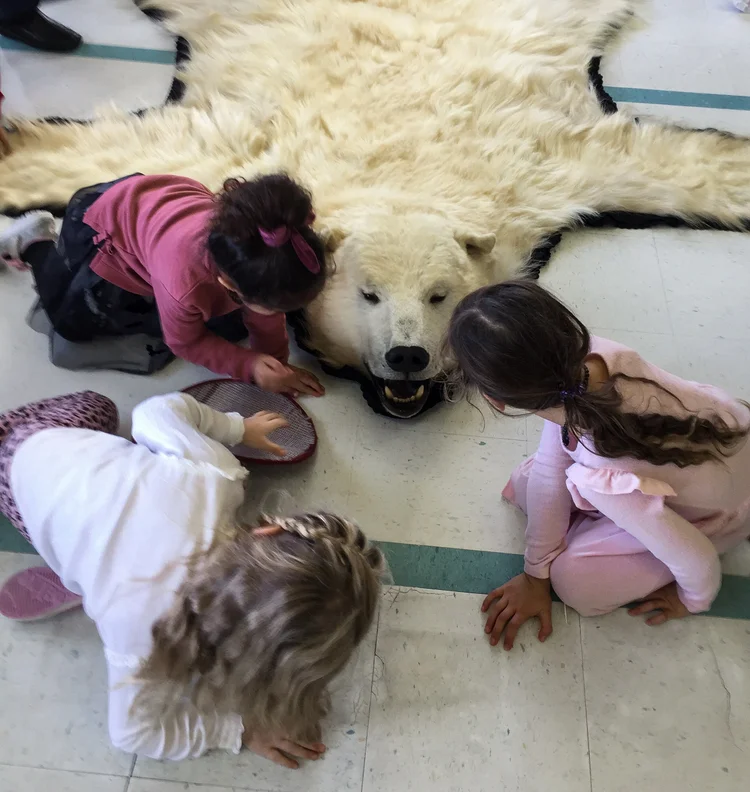
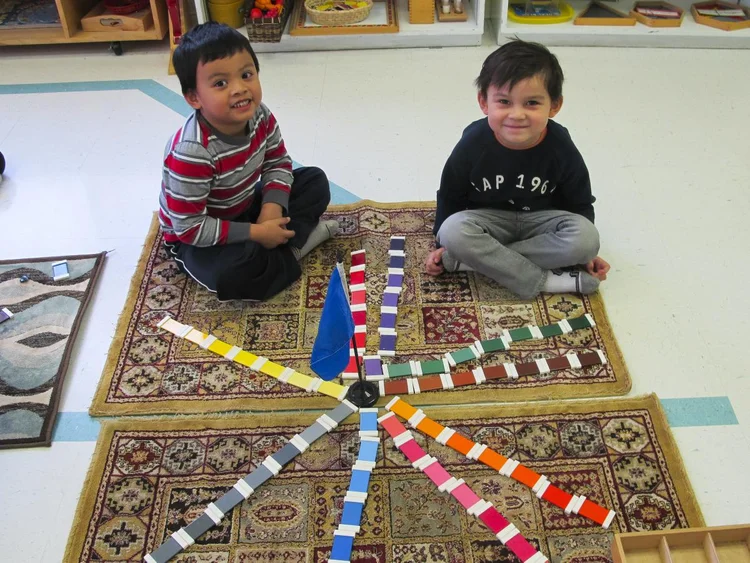
Montessori classrooms help children learn kindness and respect. Children share materials, wait for turns, and help friends during activities. Children also learn good manners. They practice saying hello, listening carefully, and speaking kindly to others.
These social skills help children make friends and work well with others.
How Does Montessori Support Cognitive Development?
Practical activities help children think and learn. Children follow steps, remember instructions, and solve simple problems during activities. Hands-on learning also helps children understand ideas better. Children can touch and move materials while learning new things.
These activities help children become better thinkers and learners.
The Connection Between Practical Life and Academic Readiness
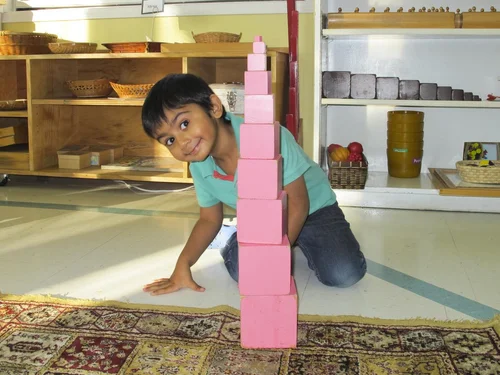
Practical life activities help children get ready for reading, writing, and math. These activities improve focus, memory, listening, and hand control.
Children learn many school skills through simple daily tasks.
For example:
Families looking for accredited early childhood education in Edmonton want programs that help children grow in learning and life skills together.
Creating Responsibility and Respect for the Environment
Montessori classrooms teach children how to care for their surroundings. Children clean tables, organize shelves, and water plants every day. These activities teach responsibility in simple ways. Children learn that helping keeps the classroom clean and happy for everyone.
Children also learn to respect nature, materials, and shared spaces. These lessons help children become caring and thoughtful.
FAQ: How is Montessori different from traditional early childhood programs?
Montessori classrooms use hands-on learning. Children learn by doing activities instead of only listening to lessons.
FAQ: Can practical life activities help shy or anxious children?
Yes. Calm activities and daily routines help children feel safe and comfortable. Small successes help children build confidence.
FAQ: Why do Montessori classrooms encourage children to clean and organize?
Cleaning and organizing teach responsibility and respect. Children learn how to care for their classroom and the people around them.
Practical Learning Supports Real-World Confidence
Children become more confident when they complete tasks on their own. Practical activities help children understand that they can do many things by themselves. This confidence helps children in learning, friendships, and communication.
Children become more willing to try new things. Practical learning also teaches useful daily habits children can use at home and school.
Why Do Parents Choose Montessori Education for Early Development?
Parents choose Montessori learning because it helps children grow in many ways. Children learn school skills while also becoming calm, independent, and responsible.
Parents like Montessori programs because they offer:
Families searching for Montessori Education for Children in Edmonton want classrooms where children can learn happily and grow with confidence.
Contact Us Now!!
Early learning is important for every child. At Crestwood Montessori School, we help children learn through practical activities that build confidence, independence, focus, and responsibility.
As a provider of accredited early childhood education in Edmonton, we create caring classrooms where children can learn, play, and grow every day.
 Recent Post
Tag Post
Recent Post
Tag Post