Copyright © 2026 Crestwood Montessori School. All rights reserved By Digital Guider.


What if learning could be an adventure your child enjoys every day? Montessori education gives children time to explore, touch, build, count, read, and practise useful skills. A Montessori School provides a calm space where children can learn through real activities and make simple choices. Teachers guide children based on their needs and abilities.
This approach can help young learners build confidence, focus, kindness, and independence while enjoying the process of discovering new things.
How Does Montessori Education Help Children Learn?
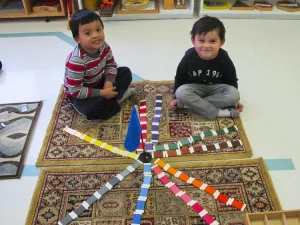
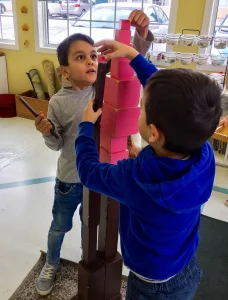
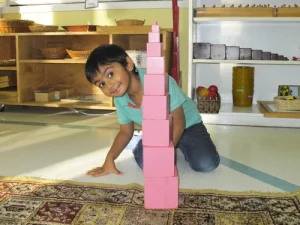
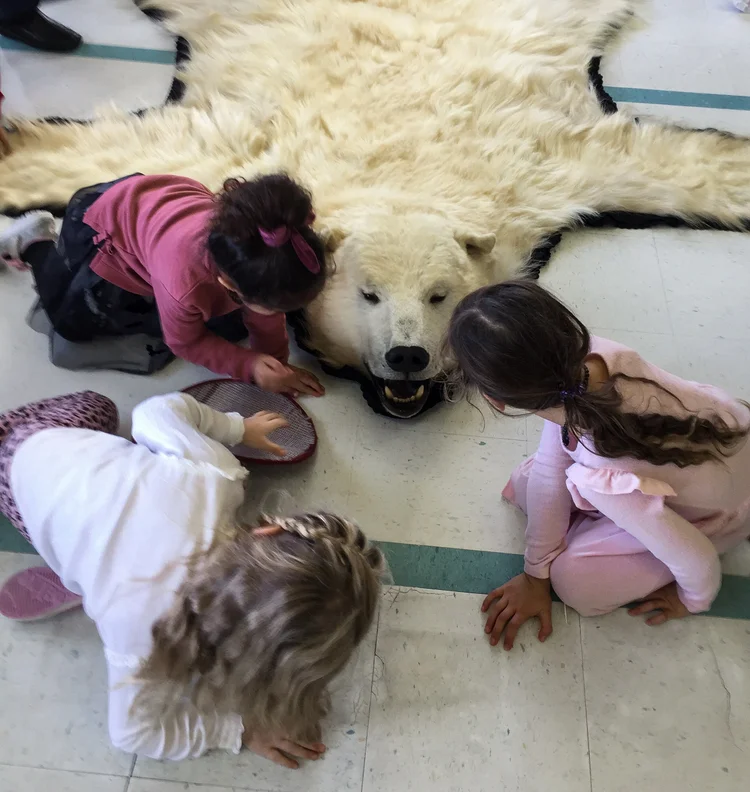
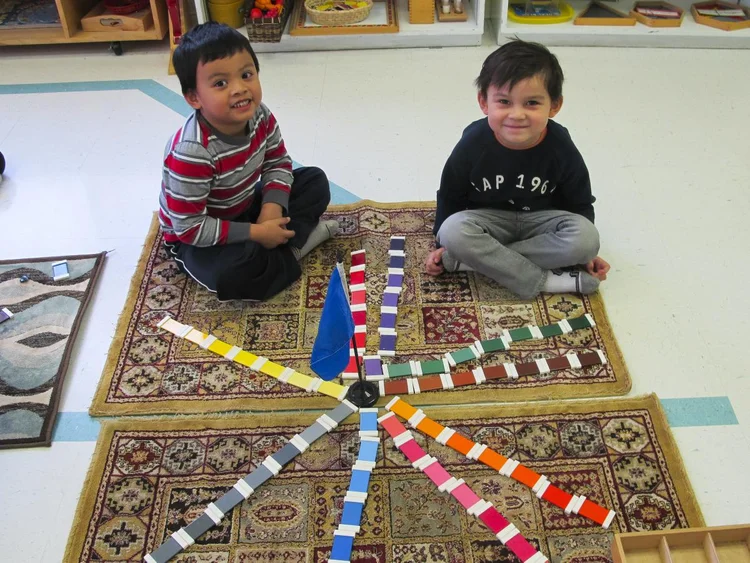
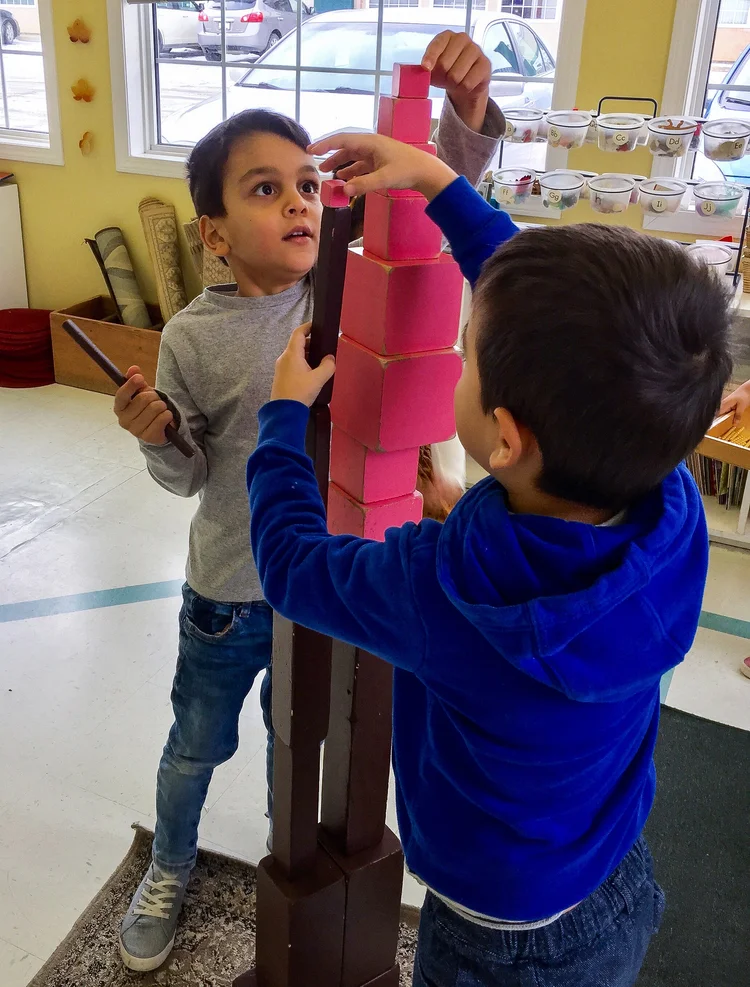
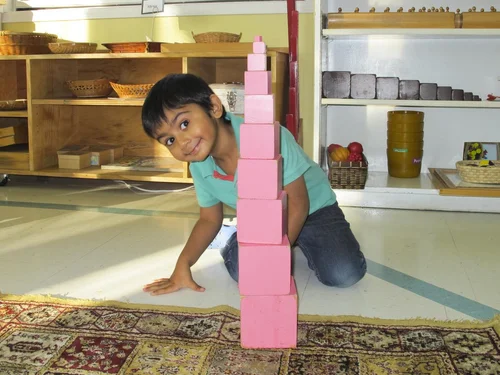
Montessori education lets children learn through hands-on activities instead of only listening to a teacher. Children can touch, move, sort, build, count, read, and practise real-life tasks. These activities help children understand ideas in a simple and natural way.
Teachers watch each child and introduce work that matches the child’s level. Children can repeat an activity until they understand it. This helps them build focus, patience, confidence, and independence without rushing them through the learning process.
What Makes a Montessori School Different?
A Montessori School has a carefully prepared classroom made for children. Materials are placed where children can reach them. The room is calm and neat, so children can choose work, use it carefully, and put it back when they finish.
A good Montessori classroom should offer:
The teacher does not need to lead every minute. Instead, the teacher watches, guides, and helps when needed. This gives children a chance to solve small problems and learn to help themselves.
What Questions Should Parents Ask About a Montessori School?
Before choosing a school, parents can ask simple questions about the classroom, teachers, and daily activities. These questions can help families understand how children learn and whether the school matches their child’s needs.
Frequently Asked Questions
Can Montessori Education Help Children Become Independent?
Yes. Montessori classrooms give children chances to do many small tasks by themselves. Children may choose an activity, carry the materials, complete the work, and return everything to its place. These simple actions can help build confidence and responsibility.
Is Montessori Education Good for Young Children?
Yes. Montessori classrooms can give young children simple choices, hands-on work, and time to practise useful skills. The right school should still match your child’s age, needs, personality, and comfort level.
What Age Can Children Start Montessori School?
The age range depends on the school and its program. Many Montessori programs serve young children, with some classrooms grouping children by different age ranges. Parents should ask each school about its age groups, admission rules, and classroom setup before making a choice.
How Can Parents Choose a Montessori School in Edmonton?
Choosing a Montessori school in Edmonton should start with your child’s needs. Think about your child’s age, interests, personality, daily routine, and learning style. Then visit schools and see how children spend their time.
Before choosing a school, ask:
A school visit can tell you more than a website. Watch the children while they work. See if they look busy, calm, and interested. You can also ask teachers why they choose certain materials and activities.
What Can Children Learn in a Montessori School?
A Montessori School can teach much more than letters and numbers. Children may learn language, math, art, music, practical life, science, nature, and culture. These areas can be connected, so children can see how different ideas work together.
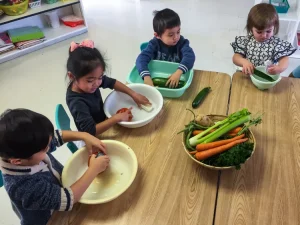
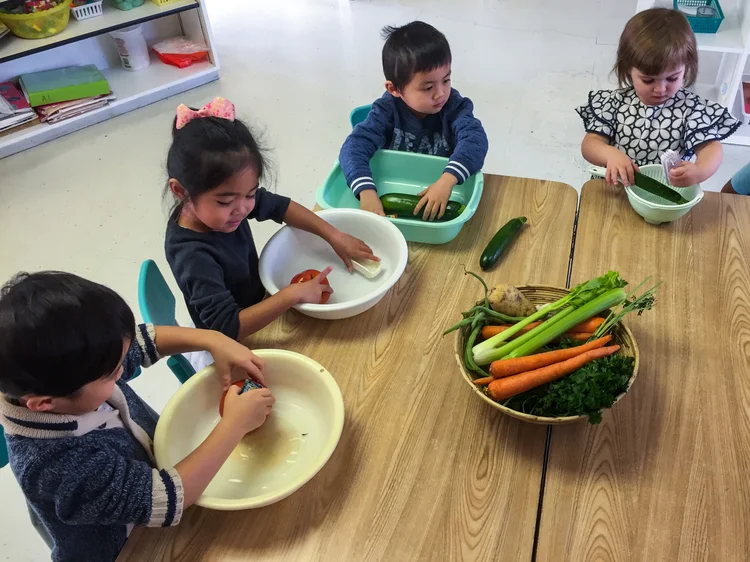
Practical life activities are also important. Children may practise pouring, cleaning, sorting, caring for plants, or taking care of their workspace. Simple tasks can help children improve hand control, attention, order, and independence.
Why Are Mixed-Age Montessori Classrooms Helpful?
Many Montessori classrooms include children of different ages. This gives younger children a chance to watch older children. Older children can help younger classmates and practise kindness, patience, and leadership.
Mixed-age learning can also give children more time to grow within the same classroom. Younger children can learn by watching others, while older children can strengthen their skills by helping classmates with simple tasks.
What Should Parents Know Before Choosing a Montessori School?
Parents should look at the full school experience, not only the name or teaching style. Think about the classroom, teachers, daily schedule, age groups, learning activities, and communication with families.
A school should also match your family’s routine. Ask about school hours, attendance choices, tuition, holidays, meals, outdoor play, and how teachers communicate with parents. Clear answers can make the choice easier for your family.
People Also Ask
Can Children Attend a Montessori School Part Time?
Yes, some Montessori schools offer part-time choices. Parents should ask about available days, classroom hours, fees, and age requirements. A clear schedule can help families choose an option that works well with their child’s needs and their own daily routine.
Do Montessori Schools Teach Reading and Math?
Yes. Montessori programs teach language and math through hands-on materials and guided activities. Children can practise sounds, letters, numbers, counting, and other early skills through activities that make learning easier to understand and remember.
Should Parents Visit a Montessori School Before Enrolling?
Yes. A visit lets parents see the classroom and watch children at work. It also gives families a chance to meet teachers and ask questions about daily learning, classroom rules, schedules, and activities. A visit can help you decide if the school feels right for your child.
Contact Us Now!!
Choosing a Montessori School is about finding a safe, caring place where your child can learn, explore, and grow with confidence. Look at the teachers, classroom, learning materials, age groups, and daily routine before you decide.
At Crestwood Montessori School, we welcome families to visit us, see our learning environment, meet our team, and learn more about how we support young children through Montessori learning.
 Recent Post
Tag Post
Recent Post
Tag Post