Copyright © 2026 Crestwood Montessori School. All rights reserved By Digital Guider.

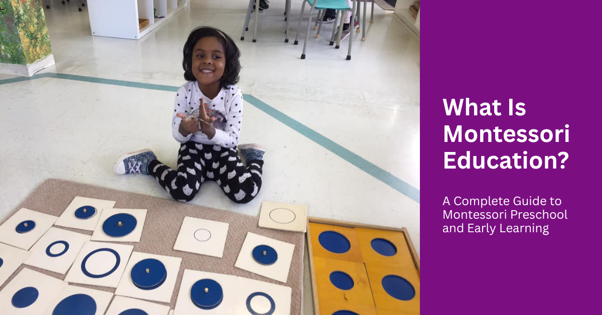
What if children could learn by doing, exploring, and making choices every day? That is the simple idea behind Montessori education. It gives young children a chance to learn at their own pace in a calm and prepared classroom. A Montessori preschool focuses on more than letters and numbers.
Children also develop practical abilities, gain self-confidence, strengthen their concentration, and learn to be more self-reliant. This guide explores how Montessori education works and highlights what parents should consider before selecting a program.
What Is Montessori Education?
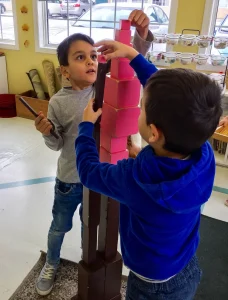
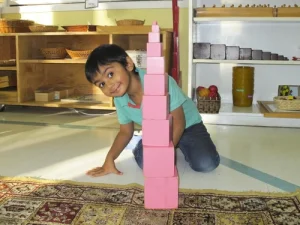
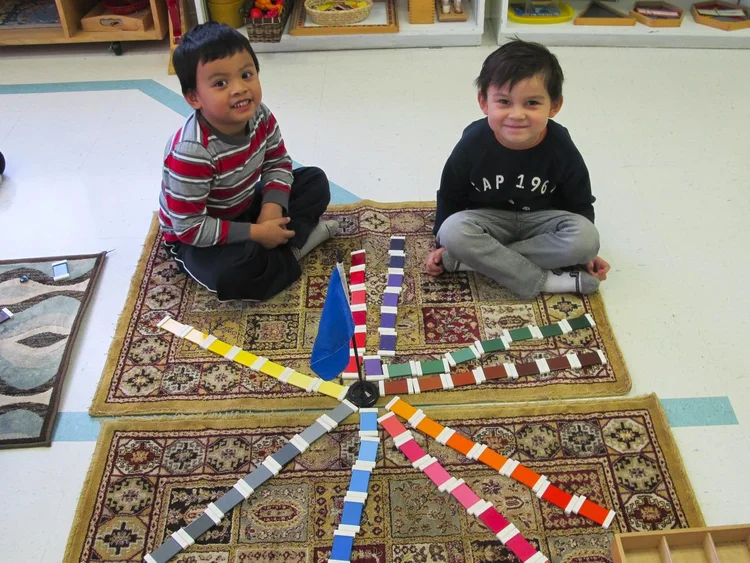
Montessori education is a child-focused way of teaching created by Dr. Maria Montessori. It encourages children to learn through hands-on activities instead of only listening to a teacher. Children can explore learning materials, practise new skills, and repeat activities until they understand them.
The teacher guides children and watches their progress. Instead of giving every child the same task at the same time, the teacher introduces activities that match each child’s development and needs.
How Does a Montessori Preschool Work?
A Montessori preschool gives children freedom within a clear and organized classroom. Children can choose suitable activities, but they also learn to use materials carefully, follow classroom rules, and respect other children.
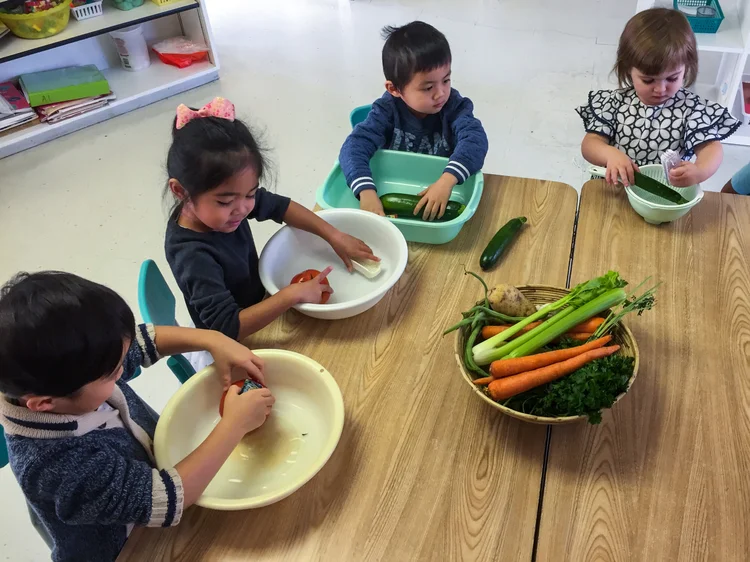
A Montessori classroom may include activities for:
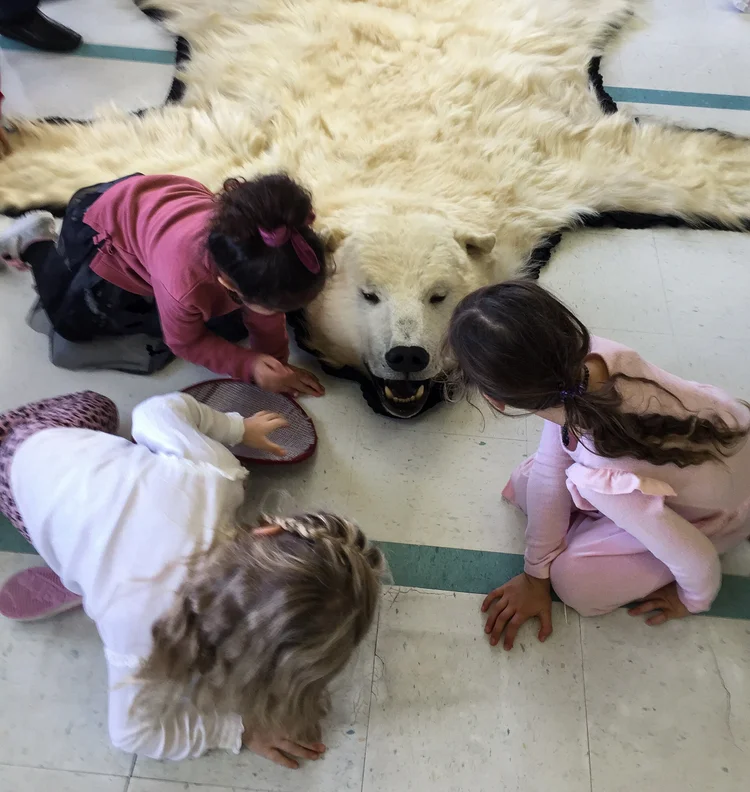
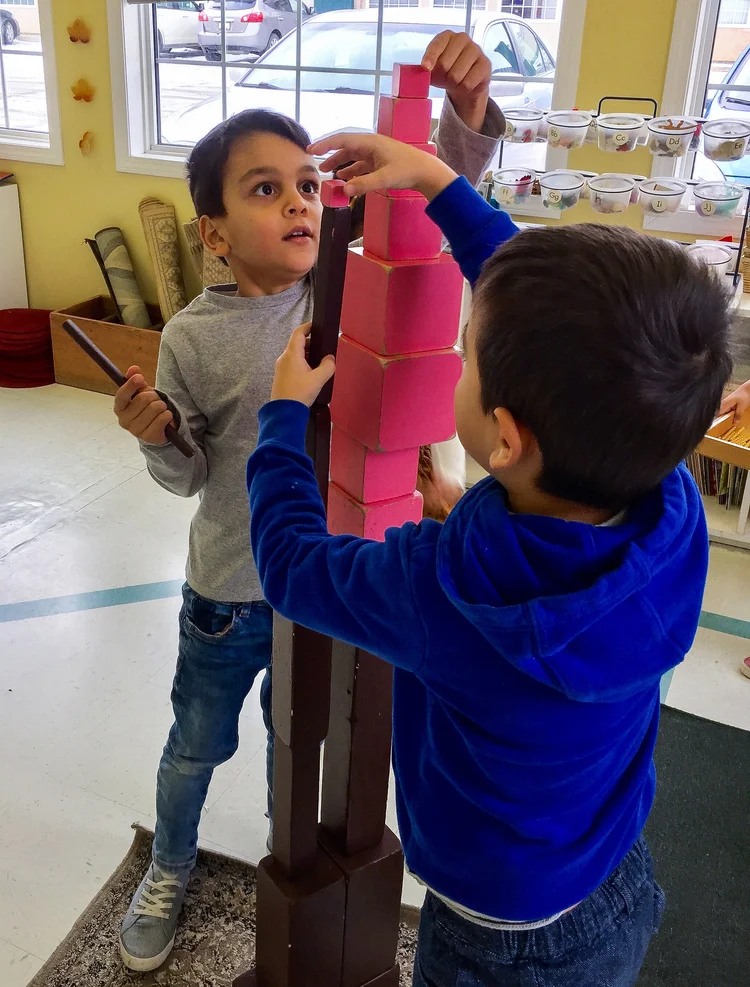
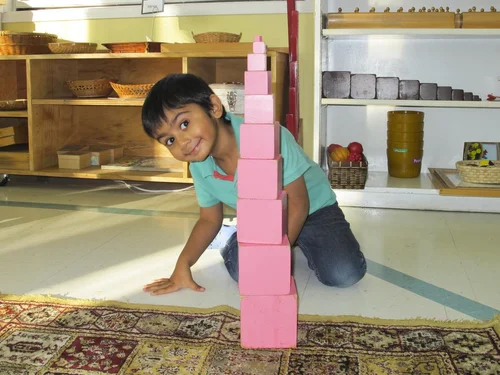
These activities help children learn through touch, movement, observation, and practice. This makes learning active instead of simply asking children to sit and listen.
Why Are Montessori Classrooms Different?
A Montessori classroom is carefully prepared for young children. Tables, chairs, shelves, and learning materials are placed where children can reach and use them safely. This setup encourages children to make choices and complete simple tasks without asking for help every time.
Many Montessori classrooms also have children of different ages together. Younger children can learn by watching older classmates, while older children can practise kindness and responsibility by helping younger students.
What Do Children Learn in Montessori Preschool Education?
Montessori preschool education covers many areas of development. Children learn academic skills, but they also learn how to care for themselves, communicate with others, solve problems, and manage simple responsibilities.
Important learning areas include:
The activities are connected, so children can develop several skills through one task. For example, sorting objects can help children practise focus, movement, observation, and early mathematical thinking.
What Is the Role of a Montessori Teacher?
A Montessori teacher guides children instead of directing every part of their day. The teacher watches how children work, understands their needs, and introduces new activities when they are ready to learn them.
Teachers also guide children in using learning materials appropriately. After the lesson, children have time to practise on their own. This gives them a chance to think, try again, and find solutions without receiving an answer immediately.
What Are the Benefits of Montessori Learning?
Montessori learning helps children develop skills that are useful both inside and outside the classroom. Children get regular opportunities to make choices, practise activities, complete tasks, and take care of their learning space.
Some possible benefits include:
Every child develops differently. The results of a Montessori program depend on the classroom environment, teacher training, learning materials, and support given to each child.
What Should Parents Look for in a Montessori School?
Choosing a Montessori School requires more than checking whether the school uses the Montessori name. Parents should look at the classroom, teachers, materials, daily routine, age groups, and opportunities children have to work independently.
When visiting a school, parents can ask:
A classroom visit can help parents understand how children learn, interact, and communicate with teachers.
Is Montessori Preschool Suitable for Every Child?
A Montessori preschool can suit children who enjoy hands-on activities, movement, choices, and learning through practice. However, every child is different. Parents should consider their child’s personality, interests, needs, and learning style when choosing a preschool.
The quality of the program also matters. Teachers should understand Montessori methods, classrooms should have suitable materials, and children should receive respectful guidance. Visiting the school and asking questions can help parents make a well-informed choice.
How Can Parents Support Montessori Learning at Home?
Parents do not need to copy the entire Montessori classroom at home. Simple daily activities can give children more chances to practise independence, make choices, and help with family tasks.
Parents can:
These small activities can help children become more confident and responsible while making them active participants in everyday family life.
Frequently Asked Questions About Montessori Preschool
1. What age is Montessori preschool for?
Montessori programs can serve different age groups depending on the school. Many preschool programs focus on the early childhood years. Some classrooms include children from different ages so they can learn from and support one another.
2. Is Montessori education only about play?
No. Montessori education includes hands-on activities, but each activity has a learning purpose. Children may work with materials that help them learn language, mathematics, coordination, concentration, practical skills, and other important abilities.
3. Do Montessori children learn reading and mathematics?
Yes. Reading and mathematics are important parts of Montessori preschool education. Children use hands-on materials to understand ideas clearly. Teachers introduce activities according to each child’s development and give them time to practise.
4. What makes a Montessori School different from traditional preschool?
A Montessori School gives children more opportunities to choose suitable activities and work independently. Teachers guide children instead of giving constant instructions. The classroom also uses special materials to support learning through hands-on experiences.
5. How can parents choose the right Montessori preschool?
Parents should visit the school and observe the classroom. They can ask about teacher training, learning materials, class size, daily routines, age groups, and how teachers support individual children. A visit can help parents understand the school’s approach.
Discover a Thoughtful Start to Early Learning With Us
Choosing a preschool is an important decision because early learning shapes many habits that children carry forward. At Crestwood Montessori School, we use Montessori education to support independence, curiosity, confidence, and practical skills.
We provide a hands-on Montessori preschool environment where children can explore, practise, and learn at their own pace. We invite families to visit us, explore our classroom, meet our educators, and learn more about how we support children during their early years.
 Recent Post
Tag Post