Copyright © 2026 Crestwood Montessori School. All rights reserved By Digital Guider.

Early childhood is a time of wonder, questions, and constant discovery. The right preschool can turn everyday moments into lasting learning. A Montessori preschool lets children explore freely, work with their hands, make small decisions, and build new skills at their own speed.
Rather than relying only on books and lessons, this approach nurtures independence, focus, confidence, and practical life abilities. Activities are matched to each child’s age and stage, and attentive teachers guide every step of the early learning journey.
What Is Montessori Education and How Does It Work?
Parents often wonder: what is Montessori education, and how does it differ from other preschool programs? Simply put, it is a teaching style built around real, purposeful activities. Dr. Maria Montessori developed the method, which values independence, hands-on experience, and respect for each child’s individual growth.
In a Montessori classroom, children are not expected to do the same task at the same moment. Teachers observe each child closely and present activities suited to their current abilities. Children also learn to select their own work, handle materials with care, and return everything to its place once they are done.
How Does Montessori for Preschool Support Early Development?
Montessori for preschool nurtures several areas of growth all at once. Children pick up early academic skills while also learning to look after themselves, cooperate with peers, and tackle small problems. Together, these abilities prepare children to face new challenges with confidence.
A Montessori classroom can help children build skills in:
• Reading and early language
• Counting and basic math
• Hand and eye coordination
• Cleaning and self-care
• Problem-solving and concentration
• Communication and social interaction
Learning happens through doing, not just listening. Children handle materials, move objects, repeat tasks, and discover how things work, which makes new concepts simpler for young minds to grasp.
1. Montessori Builds Independence Through Everyday Activities
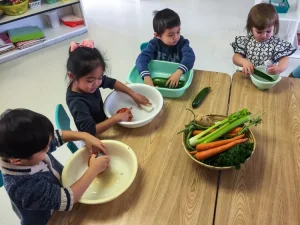
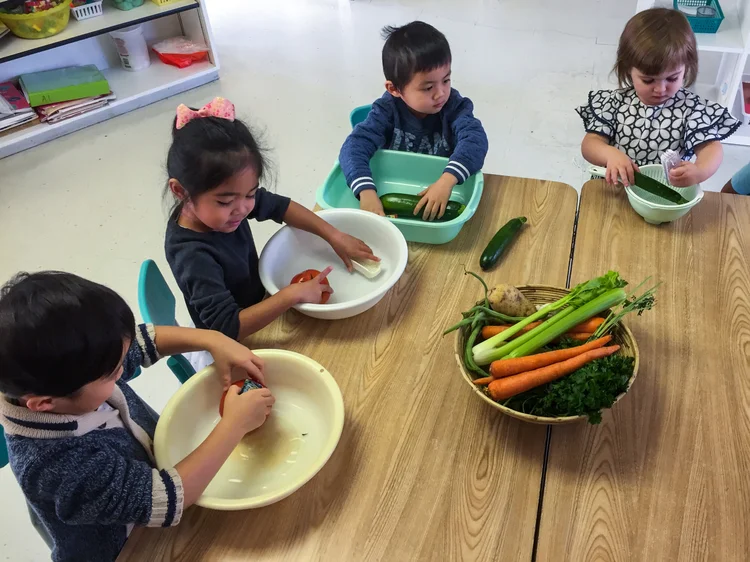
Among the most valuable Montessori preschool benefits is the chance to handle simple tasks without help. A child might pour water, set out objects, wipe a table, or place materials back on the shelf. Each task builds a useful skill and gives children the satisfaction of doing things for themselves.
Teachers hold back from completing tasks on a child’s behalf. They demonstrate how an activity is done, then allow time to practise. Over time, steady repetition helps children feel more at ease doing things independently.
2. Children Learn at a Pace That Matches Their Development
No two children learn in exactly the same way. One may already recognize many letters while another is still working on sounds. In Montessori classrooms, teachers have the time to notice these differences and select activities that fit each child’s present level.
Children can repeat an activity as often as they need, and they can move on to something more challenging once they feel ready. This lets them build strong foundations without the pressure of keeping up with the group.
3. Hands-On Learning Makes Ideas Easier to Understand
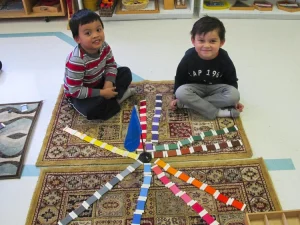
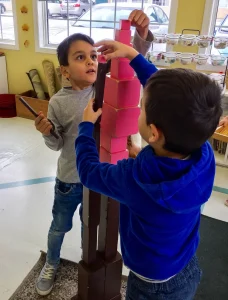
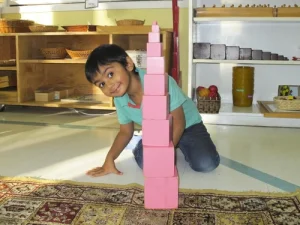
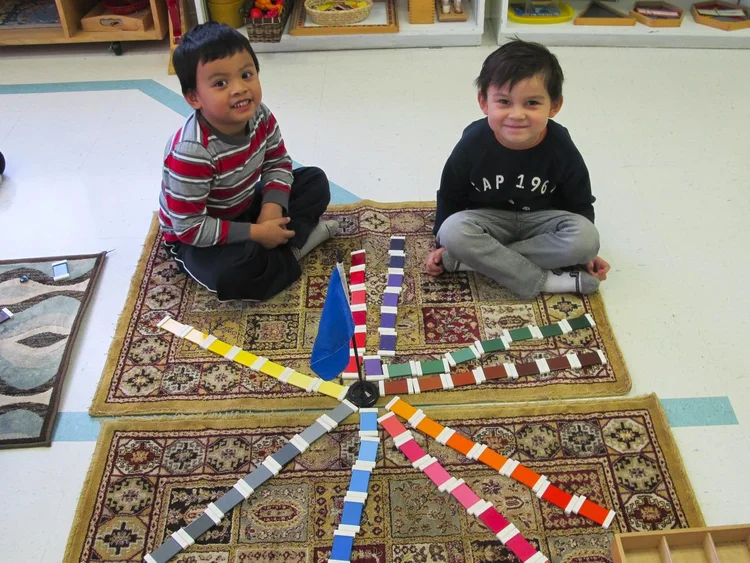
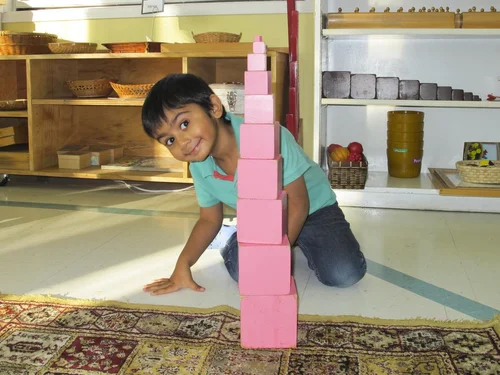
Young children absorb a great deal through their hands. By touching, moving, sorting, counting, matching, and arranging objects, they come to understand new concepts. Montessori materials are designed to give children concrete experiences with numbers, letters, shapes, sizes, sounds, and other core ideas.
A child learning about numbers, for instance, can count real objects to see what each amount looks like. A child exploring language can work with letters and sounds directly. Activities like these make learning more engaging and help ideas stick.
4. Montessori Encourages Focus and Concentration
Learning something new takes concentration. A Montessori classroom lets children stay with an activity without being hurried along to the next one. The calm, orderly environment helps them direct their attention to the task in front of them.
Children also discover that some things take time, and that trying again is part of the process. This builds patience and shows them that practice makes hard tasks feel easier.
5. Mixed-Age Classrooms Encourage Cooperation
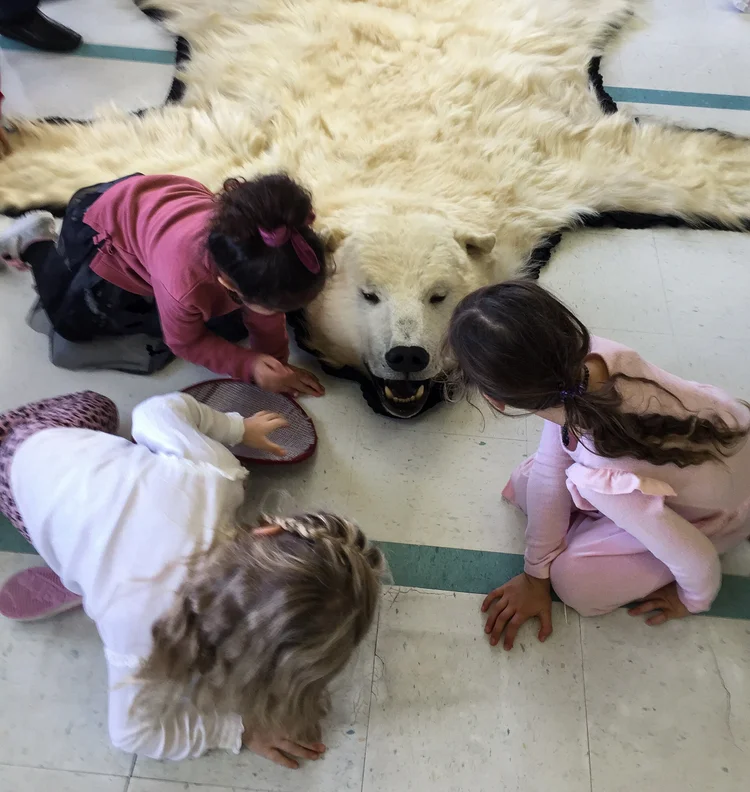
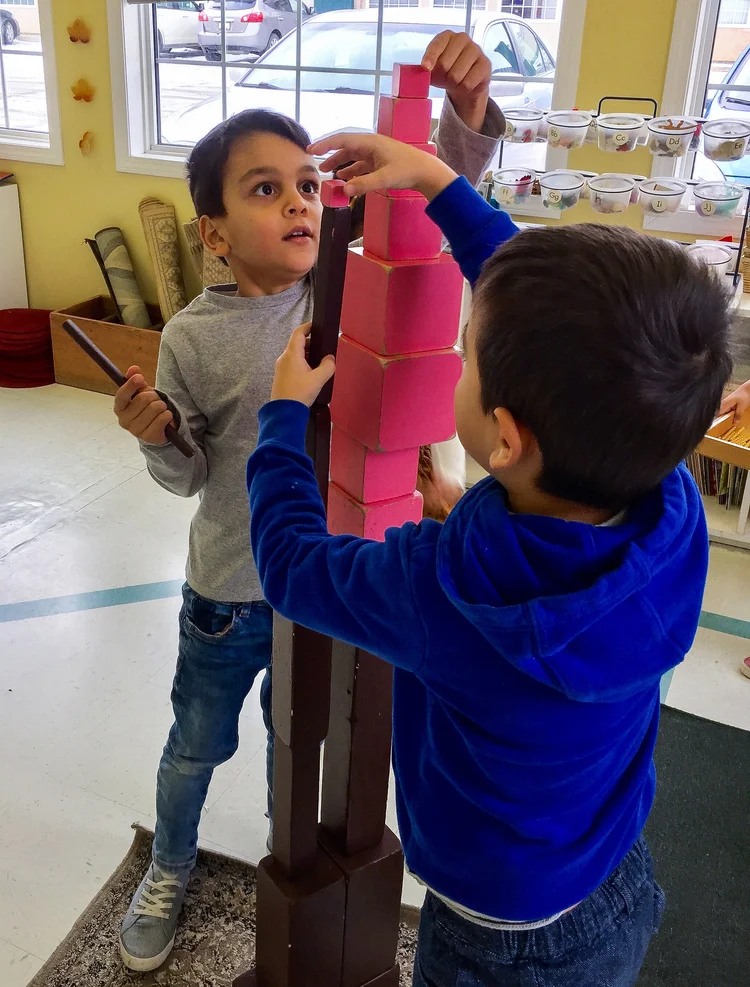
Many Montessori classrooms bring together children of different ages. Younger students learn by watching older ones, while older students get to guide their classmates and practise patience, kindness, and responsibility.
At the referenced program, children from ages 3 to 6 learn side by side in a mixed-age classroom. This arrangement lets children get to know peers at different developmental stages and learn through daily classroom interaction.
6. Montessori Supports Social and Practical Skills
Young children need more than reading and math. They also need to learn to speak kindly, look after their belongings, take turns, and pitch in with simple jobs. Daily activities in a Montessori classroom help build these essential life skills.
Children may learn to:
• Return materials after use
• Keep their workspace tidy
• Wait patiently while another child works
• Assist younger classmates
• Ask for help in a polite way
• Manage simple personal tasks
Through these routines, children see that their contributions matter. They also learn that a classroom runs more smoothly when everyone cares for their space and treats others with respect.
What Should Parents Look for in a Montessori School?
Picking a preschool deserves careful thought. Parents should look past the name of a school and understand how its classrooms truly operate. A visit is a great way to see how teachers speak with children, how materials are used, and how children spend their day.
Before deciding on a program, parents can ask about:
• Teacher training and experience
• Classroom size
• Age groups
• Learning materials
• Daily classroom routines
• Independent work time
• Communication with parents
It is also worth asking how teachers help children who need extra practice. The answers can show whether a school’s approach fits a child’s needs.
Is Montessori a Good Choice for Every Child?
Montessori can be a good fit for children who like hands-on activities, enjoy making simple choices, and learn well through repetition. That said, every child is unique. Parents should weigh their child’s personality, interests, comfort level, and learning needs before choosing a preschool program.
The school matters just as much. Skilled teachers, suitable learning materials, a safe classroom, and respectful guidance all make a real difference. Spending time in the classroom and talking with teachers can help parents judge whether a program feels right for their child.
Why Consider a Montessori School in Edmonton?
Families searching for a Montessori school in Edmonton should compare a few key details before making a choice. Location is convenient, but class size, teachers, age groups, learning materials, daily routines, and the kind of care children receive are equally important.
The referenced program offers a mixed-age classroom for children ages 3 to 6, with small classes of up to 21 students. Learning areas cover language, math, art, music, practical life, zoology, botany, and culture.
Frequently Asked Questions About Montessori Preschool Benefits
Before choosing a Montessori program, parents often have questions about how children learn, whether reading and math are taught, and whether the classroom suits their child’s personality. Here are answers to five common questions.
1. What are the main Montessori preschool benefits?
Children build independence, concentration, problem-solving ability, practical skills, and social skills. They also learn through hands-on activities and can repeat tasks until they fully understand them.
2. Is Montessori for preschool children who are very independent?
Not at all. Children do not need to arrive independent, since the classroom is designed to help them grow into it over time. Teachers offer support and introduce tasks that fit each child’s abilities.
3. Do Montessori children learn math and reading?
Yes. Children develop early math, reading, writing, and language skills using hands-on materials that make concepts clear. Teachers present activities according to each child’s development and allow plenty of time for practice.
4. What is Montessori education compared with traditional preschool?
Montessori education gives children more opportunities to pick suitable activities and work on their own. Teachers act as guides instead of giving constant directions, and the classroom uses specially designed materials that support hands-on learning and practical skills.
5. How can parents find a good Montessori school in Edmonton?
Parents can visit schools and ask about teacher training, class size, learning materials, age groups, and daily routines. Observing a classroom also shows how teachers guide children and how students use their materials.
Give Your Child a Meaningful Start With Us
Choosing an early learning program is a big decision for any family. At Crestwood Montessori School, we offer children a warm, welcoming space to explore, practise, and grow. Through hands-on activities and caring guidance, we nurture independence, curiosity, and confidence.
Families are invited to visit, meet our educators, see our classroom, and learn more about our program. We would love to show you how our approach can support your child’s early learning journey.
 Recent Post
Tag Post