Copyright © 2026 Crestwood Montessori School. All rights reserved By Digital Guider.

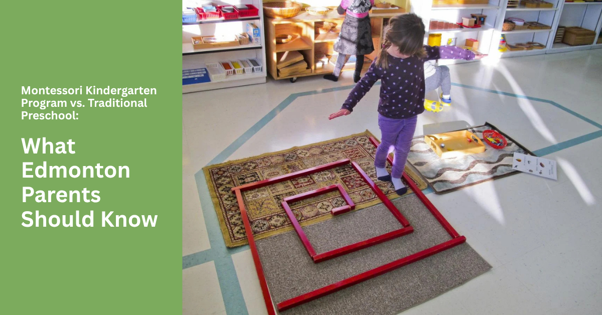
The first school choice can shape how a child learns, plays, and grows. Parents looking at preschools in Edmonton may wonder whether Montessori or traditional preschool is the right fit. Both can help children build early skills, make friends, and become ready for school.
However, they use different ways to teach and organize the day. Knowing these differences can help parents make a smart choice based on their child’s needs, interests, comfort, and family schedule before enrollment decisions are made.
What Is a Montessori Kindergarten Program?
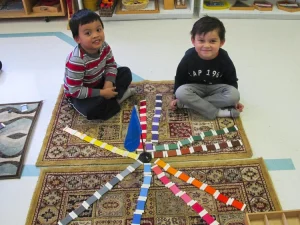
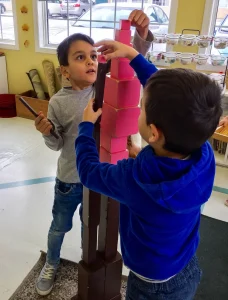
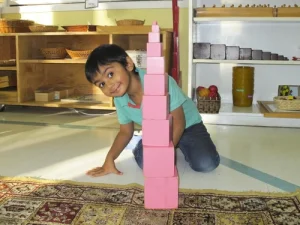
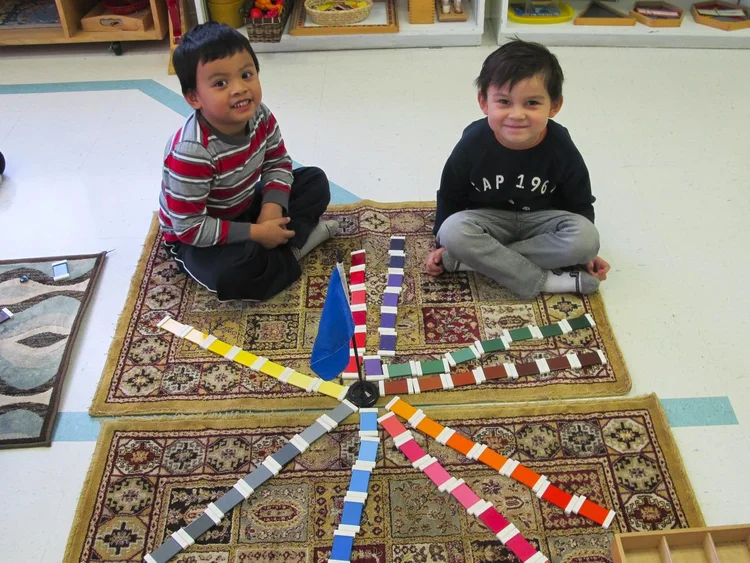
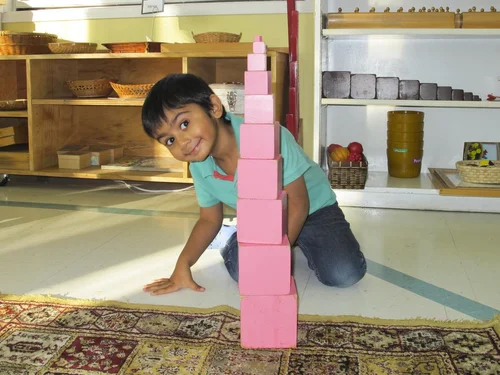
A Montessori kindergarten program lets children learn by doing. Teachers prepare the classroom and guide children as they choose activities. Children can use special learning materials, practise daily skills, and work at a pace that matches their abilities.
A Montessori classroom may include activities for:
Children are not simply asked to sit and listen. They get chances to touch, build, sort, count, read, and solve problems.
How Does a Traditional Preschool Work?
A traditional preschool may have a more teacher-led classroom. The teacher plans the daily activities and guides the children through group lessons, stories, songs, crafts, games, and play.
The exact program can be different at each school. Common activities may include:
This type of classroom can be a good match for children who enjoy learning with a group and following a clear daily routine.
Montessori vs. Traditional Preschool: A Quick Comparison
The main difference is how children take part in learning. Montessori gives children more choices within a prepared classroom. Traditional preschool may use more group lessons led by the teacher. Parents should visit each school because programs can differ.
| Feature | Montessori Program | Traditional Preschool |
| Learning style | Child chooses with teacher guidance | Teacher guides most activities |
| Classroom ages | May include different ages | Often groups children by age |
| Activities | Hands-on learning materials | Group and individual activities |
| Learning pace | Can vary between children | Often follows a shared pace |
| Teacher role | Guides and observes | Leads lessons and activities |
| Independence | Strong focus | Depends on the school |
| Daily routine | Flexible within a planned space | More fixed schedule |
For families comparing Alberta preschools in Edmonton, these differences can help create a simple starting point. Visiting schools can give parents a clearer picture.
How Does Montessori Support Independence?
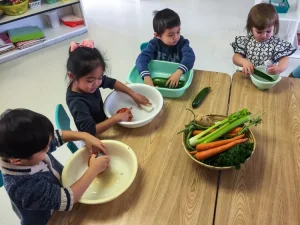
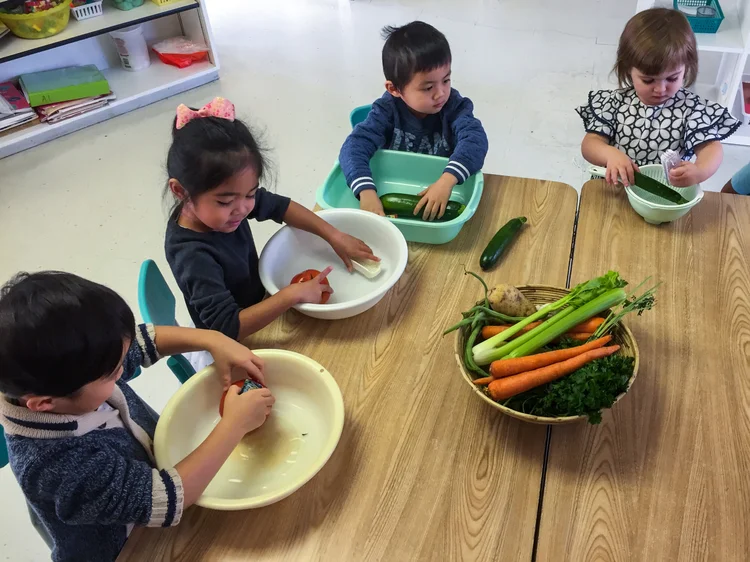
Montessori classrooms give children many chances to do things on their own. A child may choose an activity, collect the needed materials, complete the work, and put everything away after finishing.
These simple tasks can help children learn:
The program described on the school website includes practical life activities along with language, mathematics, art, music, zoology, botany, and culture. It also has a mixed-age classroom for children from 3 to 6 years old.
Which Classroom Environment May Suit Your Child?
Every child is different. Some children enjoy choosing their own activities and working quietly. Others like group games, teacher-led lessons, and regular class routines. Parents should think about what helps their child learn and take part comfortably.
Ask yourself:
Your answers can help you decide whether a Montessori preschool or another type of program may be a good match.
Why Classroom Size and Age Groups Matter?
Class size can affect how much attention each child receives. In a smaller classroom, teachers may have more time to watch children, answer questions, introduce activities, and offer help when needed.
Age groups are also worth checking. Montessori classrooms may include children of different ages. Younger children can learn by watching older classmates, while older children can practise sharing, helping, and taking responsibility.
The school referenced for this article reports a mixed-age classroom for children aged 3 to 6, with a maximum admission of 21 students per class.
Compare Schedules, Fees, and Family Needs
Parents need to consider more than teaching style. School hours, attendance choices, tuition, registration fees, and extra costs can affect whether a program works for the whole family.
Before choosing a school, ask about:
The program used as a reference offers two-day, three-day, and five-day attendance options. Its published tuition information also says craft supplies and incidentals are included. Parents should check the latest details before enrolling.
Visit Before Choosing a Preschool
A school website can answer many questions, but a visit can tell you much more. Parents can see the classroom, meet teachers, watch activities, and learn what a normal school day looks like.
During your visit, look for:
The school referenced in this article invites families to visit and observe children working in the classroom. This can help parents understand the learning environment before making a choice.
Questions Edmonton Parents Should Ask
Asking clear questions can make preschool shopping much easier. Parents should learn about teachers, learning activities, class size, daily routines, fees, and how the school helps children with different needs.
Useful questions include:
Good answers can help parents compare schools based on facts instead of guesswork.
Find the Right Early Learning Environment for Your Child
Choosing a preschool is an important family decision. Think about your child’s learning style, daily needs, social comfort, and your family schedule before enrolling. If you want hands-on learning, independence, and mixed-age activities, Montessori may be worth exploring.
At Crestwood Montessori School, we offer a Montessori setting for children aged 3 to 6, with trained educators, small classes, and varied learning areas. We invite families to visit us, see our classroom, and learn more about our preschool in Edmonton.
Frequently Asked Questions
1. Is Montessori better than traditional preschool?
There is no single choice that works for every child. Montessori and traditional preschool have different teaching styles. Parents should consider their child’s interests, learning habits, social needs, and comfort with different classroom routines.
2. What age can children start Montessori preschool?
Age rules can differ from one school to another. The program used in this article has a mixed-age classroom for children from 3 to 6 years old. Parents should contact each school to confirm its current age requirements.
3. Do Montessori children learn reading and mathematics?
Yes. Montessori programs can teach language and mathematics along with practical life skills, art, music, culture, and nature-based subjects. Children learn these areas through activities that match their age and level of development.
4. Can a child attend Montessori part-time?
Part-time choices depend on the school. The program referenced here offers two-day and three-day options as well as five-day attendance. Parents should ask about current spaces, hours, schedules, and tuition before registering.
5. Should parents visit a preschool before enrolling?
Yes. A visit lets parents see the classroom, meet teachers, and watch children during activities. It also gives families a chance to ask questions and decide if the school environment is suitable for their child.
 Recent Post
Tag Post