Copyright © 2026 Crestwood Montessori School. All rights reserved By Digital Guider.

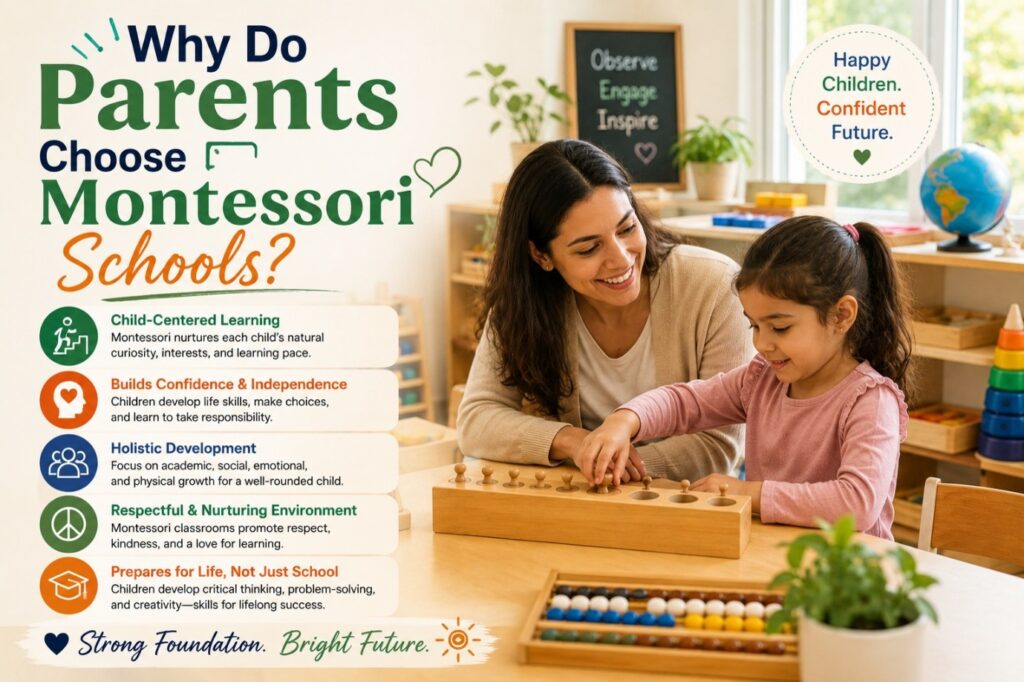
Every parent wants their child to smile, grow, and enjoy learning every day. The first school is where children begin to explore the world around them. That is why many families choose Montessori education for their little ones.
It helps children learn by doing, asking questions, and trying new things. They build confidence, make friends, and enjoy learning in a calm and caring place where every child is encouraged to grow at their own pace.
Understanding the Montessori approach to learning
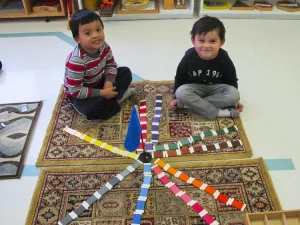
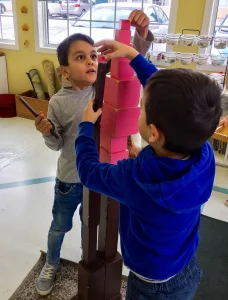
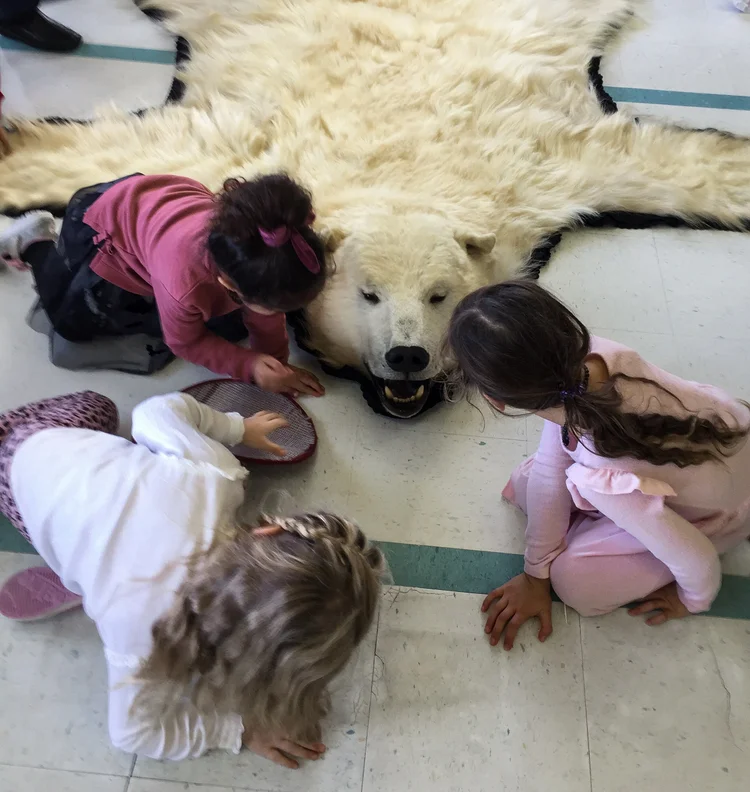
Montessori education is a way of teaching that lets children learn through real experiences. Children do not spend the whole day sitting and listening. They touch, move, build, sort, count, and explore. Teachers guide children and help them discover new ideas instead of giving every answer.
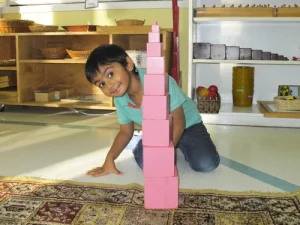
Each classroom is carefully prepared with learning materials that match a child’s age and stage of growth. Children can choose activities, repeat them, and learn through practice. This helps them enjoy learning while building confidence every day.
What makes Montessori education different?
Montessori classrooms are made for children to explore and learn by themselves with gentle guidance. Every activity has a purpose and helps children understand new ideas in a simple and enjoyable way.
Some special features include:
Why do parents prefer Montessori schools?
Parents want their children to enjoy going to school. They also want them to become kind, confident, and ready for the future. A Montessori classroom helps children learn school subjects while also building important life skills.
Children are not rushed or compared with others. Every child learns in their own time. This helps children stay happy and enjoy learning without fear of making mistakes.
People Also Ask
Is Montessori suitable for every child?
Yes. Montessori education welcomes children with different interests and learning styles. Teachers watch each child carefully and choose activities that match their needs. This helps every child learn with confidence and joy.
Does Montessori prepare children for elementary school?
Yes. Children learn reading, writing, counting, listening, and speaking skills. They also learn to work on their own, follow simple routines, solve problems, and work with others. These skills help them move smoothly into elementary school.
Children become independent from an early age
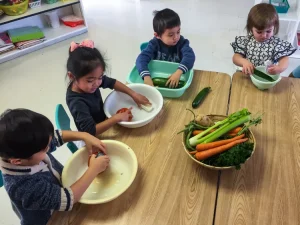
One reason parents choose Montessori preschool education is because children learn to do many things by themselves. They practice simple daily activities like putting away learning materials, cleaning their work area, and making small choices.
Every small success gives children confidence. They begin to believe they can complete new tasks on their own. This confidence grows with them at school and at home.
Learning happens through exploration instead of memorization
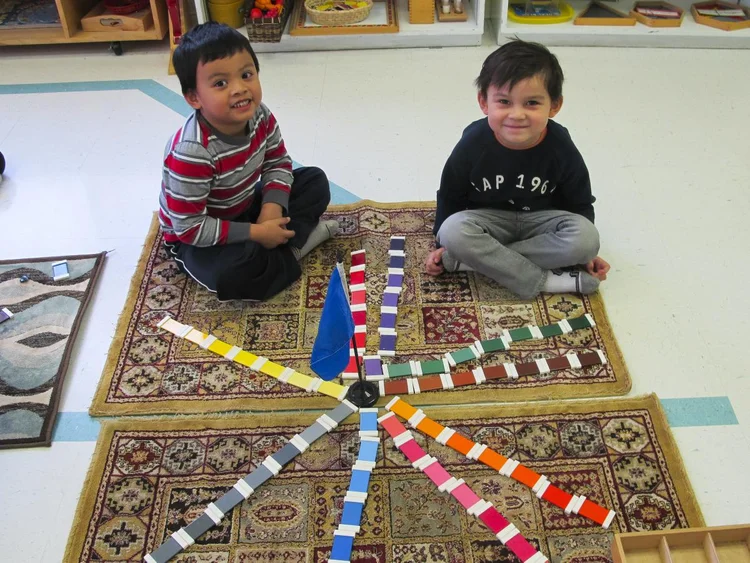
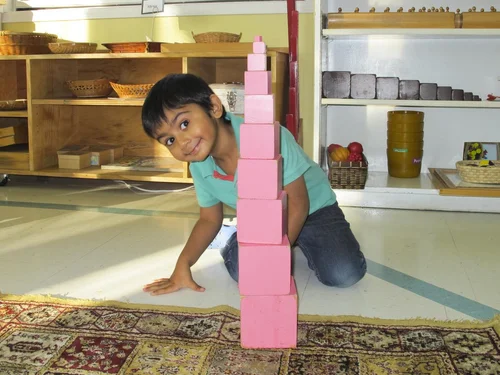
Young children understand ideas better when they can see, touch, and use real objects. Montessori classrooms give children many chances to learn through activities instead of only remembering facts.
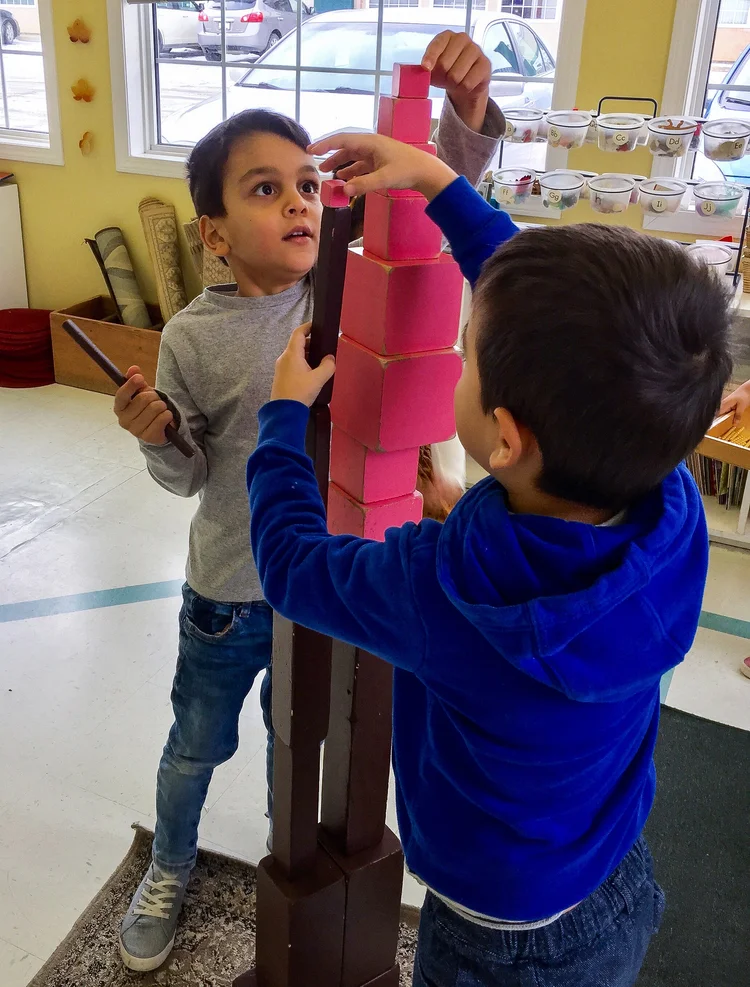
Children count with blocks, match shapes, build words, and solve puzzles. They learn by doing. This makes lessons easier to understand and much more enjoyable.
Every child learns at their own pace
Every child grows in a different way. Some children enjoy reading first, while others become interested in numbers, art, or practical work. Montessori education respects these differences and gives every child time to learn.
Teachers watch each child’s progress and introduce new lessons when the child is ready. This creates a positive learning experience without unnecessary pressure.
Social and emotional growth receives equal importance
Parents want their children to become caring and respectful people. Montessori classrooms teach these values every day. Children learn how to share, take turns, help friends, and speak kindly to others.
As children work together, they also learn patience and understanding. These everyday experiences help them build strong friendships and good communication skills.
Some important social benefits include:
A prepared environment encourages curiosity
A montessori preschool is carefully arranged so children can move around safely and learn independently. Learning materials are placed on open shelves where children can reach them without help.
The classroom is neat, bright, and welcoming. Children learn to care for their surroundings by returning every item to its proper place. These simple habits teach responsibility every day.
Parents appreciate strong teacher-child relationships
Teachers spend time learning about every child. They notice what children enjoy, what they find difficult, and how they learn best. This helps teachers give the right support at the right time.
Children feel safe asking questions because teachers listen carefully and encourage curiosity. Parents value this caring relationship because it helps children feel happy, secure, and ready to learn.
Practical life skills become part of everyday learning
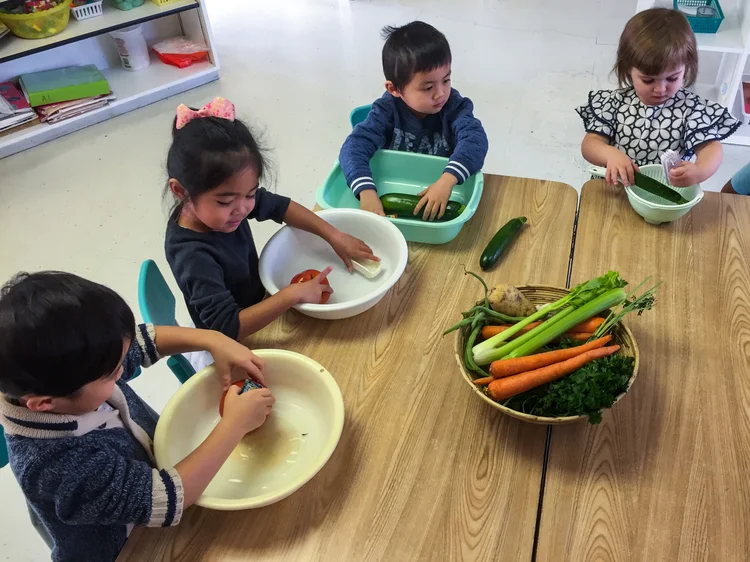
Daily activities in Montessori preschool education help children become more independent while learning useful life skills. These simple tasks also improve focus, coordination, and confidence.
Children may practice activities such as:
These activities teach responsibility while helping children become more confident in everyday life.
Montessori supports lifelong learning habits
One of the biggest strengths of Montessori preschool education is that children learn to enjoy discovering new things. They ask questions, try different activities, and learn from every experience.
Children also learn that mistakes help them improve. Instead of giving up, they keep trying until they succeed. This positive attitude helps them enjoy learning for many years.
Frequently Asked Questions
1. What is the best age to join a Montessori preschool?
Most children begin a montessori preschool between the ages of two and six years. Starting early helps children build confidence, independence, and important learning skills during their growing years.
2. How does Montessori education help children become confident?
Children are encouraged to make choices, complete activities on their own, and solve simple problems. Every success helps them believe in themselves and become more independent.
3. Why do parents choose Montessori preschool education instead of traditional preschool?
Many parents choose Montessori preschool education because children learn through hands-on activities while building independence, confidence, life skills, and a love for learning in a caring environment.
Give your child a strong foundation for lifelong learning
Every child deserves a place where learning is happy, safe, and exciting. The right early learning experience can help children become curious, confident, and kind as they grow.
At Crestwood Montessori School, we believe every child should have the chance to learn through exploration, creativity, and meaningful experiences. We are proud to support families by providing a nurturing environment that inspires a lifelong love for Montessori education.
 Recent Post
Tag Post
Recent Post
Tag Post