Copyright © 2026 Crestwood Montessori School. All rights reserved By Digital Guider.

Your child may be ready for a new adventure before you even realise it! Preschool brings new faces, fun discoveries, and small steps towards independence. Still, it is natural to wonder whether your little one is prepared for this change.
Every child learns at a different speed, so there is no need to compare. If you are exploring a preschool in Edmonton, this guide will help you understand your child’s needs and plan for a January or September 2027 start.
What Does Preschool Readiness Really Mean?
Preschool readiness is not about knowing every letter or counting to 100. It means your child is beginning to develop skills that help them take part in daily school life.
For example, they may start asking for help, exploring toys, listening to a short story, or playing beside other children. These small actions can show that they are learning how to manage new experiences.
Montessori education gives children room to learn through real activities and hands-on discovery. Instead of expecting every child to do the same thing at the same time, this approach supports learning at an individual pace.
Preschool Readiness Checklist: Five Areas to Consider
Watch your child during normal daily activities. You may already see signs of readiness in the way they play, talk, and try new things.
1. Social and Emotional Development
A classroom brings children together to play, learn, and share space. Your child does not need to be the most outgoing one in the room. What matters is their growing ability to connect with others.
Look for these early signs:
Some children need extra time to feel safe around new people. That is okay. Patient support can help them become more comfortable with change.
2. Communication and Language Skills
Children need ways to express their needs, even if they are still learning to speak clearly. Communication can include words, gestures, signs, or other methods that work for the child.
Notice whether your child can ask for help, respond to simple requests, enjoy a picture book, or share an idea in their own way.
They do not need a large vocabulary to begin preschool. If you have concerns about your child’s hearing, speech, or understanding, speak with a healthcare professional for advice.
3. Independence and Everyday Self-Care
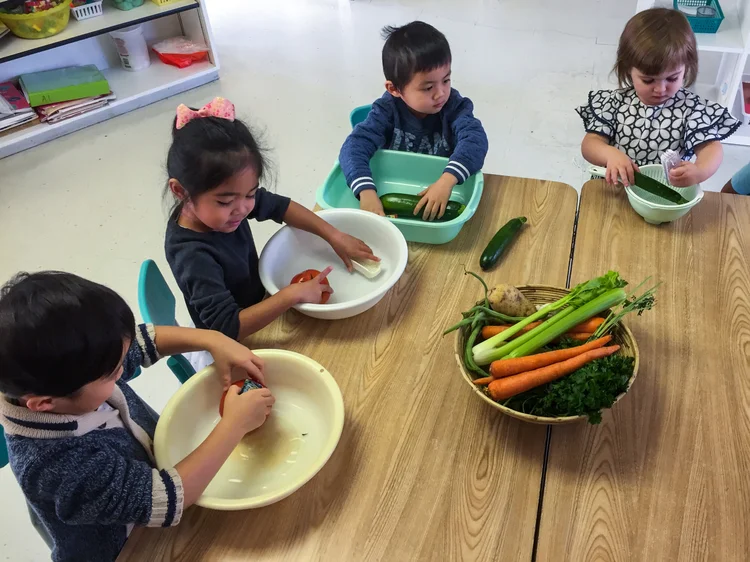
Small daily tasks can help children feel proud of what they can do. Preschool offers many chances to practise these skills.
Your child might be learning to eat with a spoon, wash their hands with help, put toys back in place, or try taking off a jacket. They may still need reminders, and that is a normal part of growing up.
Toilet training rules differ between schools. Ask about these requirements before choosing a program so you know what to expect.
4. Curiosity, Attention, and Early Learning
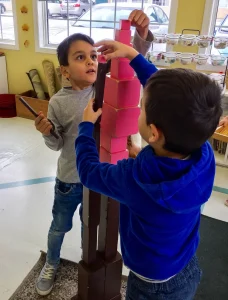
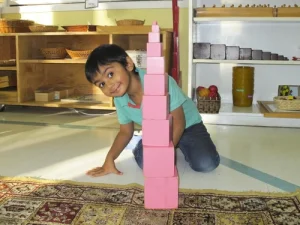
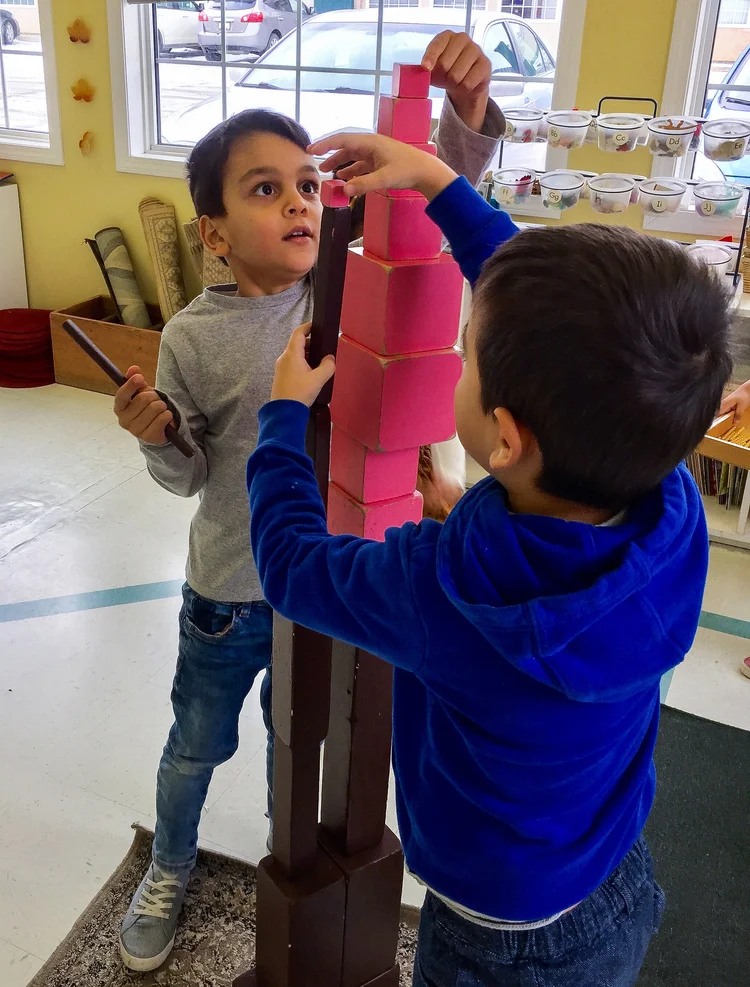
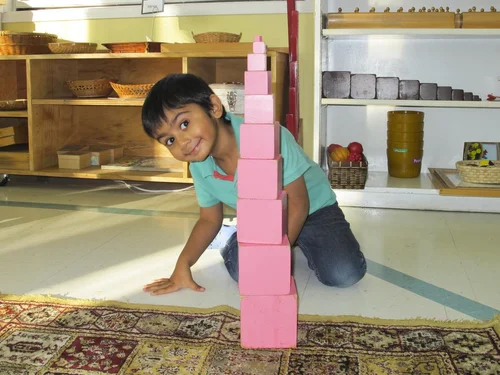
Does your child enjoy opening a box to see what is inside? Do they build towers, look through picture books, or ask why things happen? These everyday moments can reveal a growing interest in learning.
Children do not need to sit still for long periods or complete worksheets before preschool. Their desire to explore is a valuable starting point.
With Montessori for preschool, children can handle learning materials, practise simple tasks, and discover how things work. These activities can support focus, coordination, and early problem-solving skills.
5. Physical Development and Daily Routines
Preschool days include moving around, playing, using small objects, and following simple routines. Children develop these skills over time.
Your child may be learning to walk around safely, hold crayons, join active games, or follow basic safety directions. Getting used to regular meals, rest, and morning routines can also make the change easier.
Children develop physical skills in different ways. If your child needs extra help, ask schools what support they can provide.
January vs. September 2027: Which Preschool Start Date Is Better?
The right start date is the one that works for your child and family. Consider how your child handles new places, what skills they are practising, and which programs are available.
| Factor | January 2027 | September 2027 |
| May suit | Children who seem ready to begin sooner. | Children who could use more time to prepare. |
| Time to prepare | A shorter period to practise school routines. | Several more months to build useful habits. |
| Social confidence | An option for children starting to enjoy group play. | More time to meet other children through playdates or activities. |
| Home routines | Begin practising school mornings soon. | Make changes gradually over the coming months. |
| Admission checks | Ask if mid-year entry is offered and spaces are open. | Check application deadlines and age requirements. |
| Possible benefit | Your child can begin experiencing preschool earlier. | Your family gets more time to plan and prepare. |
How to Decide Which Intake Is Right for Your Child
Think about how your child responds to change rather than focusing only on their age. If they enjoy exploring unfamiliar places and are starting to manage simple routines, January may be worth considering. If they need more time to feel comfortable, September may offer a gentler timeline.
When looking for a preschool in Edmonton, check the school’s admission rules and available places. Neither start date is right for every child.
How to Choose the Right Preschool in Edmonton
A good preschool should offer more than a room full of toys. Look for a place where your child can feel welcome, explore safely, and receive help when something feels difficult.
If you are searching for the top preschool in Edmonton, ask the school a few practical questions:
If you are interested in Montessori education, ask to see how children use learning materials and make choices during the day. The way a school works in practice matters more than a label alone.
Helping Your Child Prepare Before the First Day
You do not need to turn home into a classroom. Everyday activities can help your child feel ready for a new routine.
Read a favourite story, let your child help tidy up, and offer simple choices such as which shirt to wear. Give them chances to play with other children and spend short periods with trusted adults.
Talk about preschool in a relaxed way. Explain that they will meet teachers, explore activities, and have time to play. If the school offers a visit before the first day, take advantage of it.
Small steps can make a new experience feel less strange and more exciting.
Help Your Child Begin with Confidence
Preschool is a chance for your child to discover new interests, build friendships, and try things for themselves. There is no single checklist that every child must complete before starting. Focus on their growing skills and the kind of support they need.
If you are planning for 2027, explore a preschool in Edmonton that fits your family. At Crestwood Montessori School, we invite you to learn about our approach, speak with us about your child’s needs, and explore possible preschool options for the year ahead.
Frequently Asked Questions
1. How do I know if my child is ready for preschool?
Look at how your child communicates, explores, responds to new people, and tries simple daily tasks. These signs can guide your decision, but the school can also explain its readiness expectations.
2. Can a shy child enjoy preschool?
Yes. Shy children can enjoy preschool when they have time to settle in and feel safe. A calm introduction and caring teachers can help them build confidence.
3. Must children be toilet-trained before preschool?
Not always. Each school has its own policy. Ask about toilet training and the support available before applying.
4. Should I choose January or September 2027?
Think about your child’s comfort with new experiences, your family schedule, and program availability. January offers an earlier start, while September gives you more preparation time.
5. How does Montessori for preschool help children learn?
Montessori for preschool encourages children to explore materials, practise everyday skills, and learn through hands-on activities. Teachers guide children as they build independence and discover new ideas.
 Recent Post
Tag Post