Copyright © 2026 Crestwood Montessori School. All rights reserved By Digital Guider.

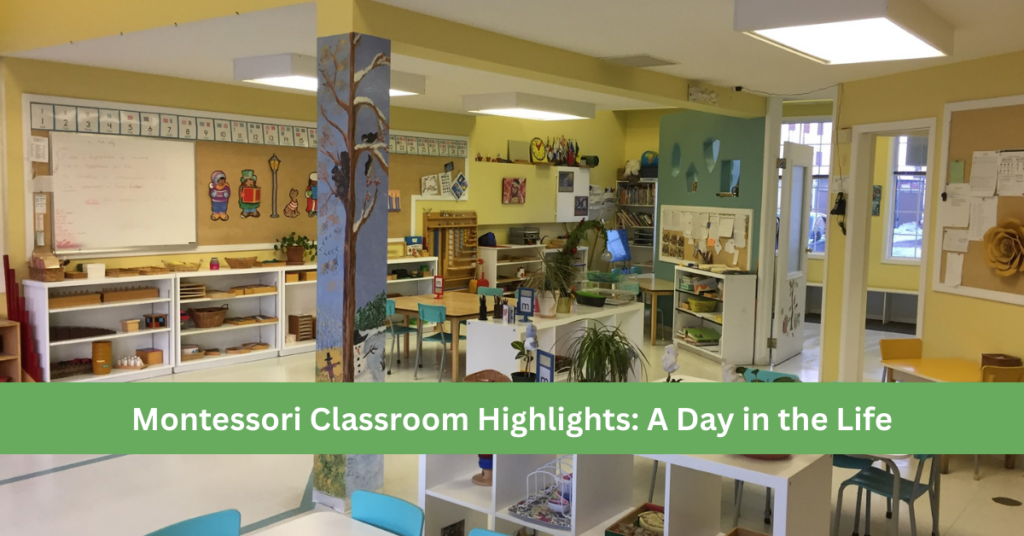
A Montessori classroom is a special place where children can explore, learn, and grow at their own pace. Every day is full of discovery and hands-on activities that help children build confidence, independence, and curiosity. In the Montessori life, learning is fun and meaningful because children are encouraged to follow their interests while developing important skills.
The day in a Montessori classroom begins quietly. Children arrive and find the classroom welcoming and organized. Materials for learning are placed on low shelves so that children can reach them easily.
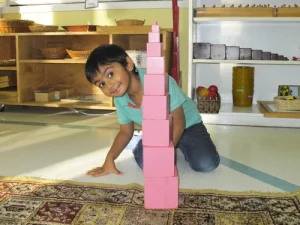
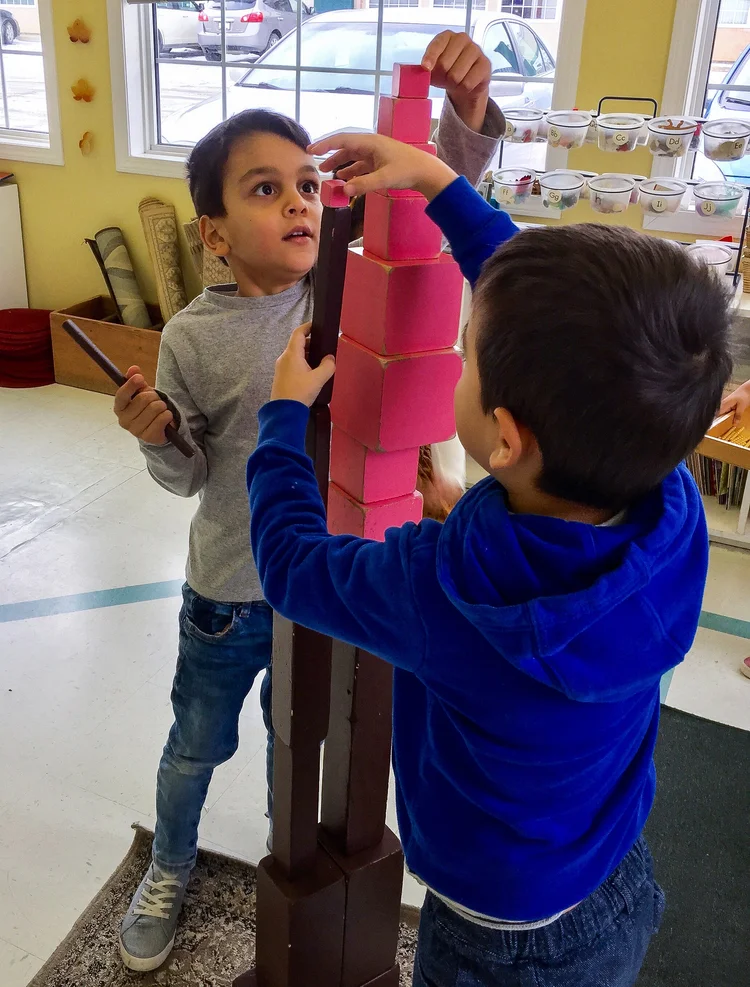
Children are free to choose their activities based on what interests them. Some may practice pouring water or arranging small objects, while others might work on building shapes or counting beads. Every task, even simple ones, helps children focus, develop coordination, and feel proud of what they can do. Teachers watch carefully and help only when needed. This allows children to take charge of their own learning.
The main part of the day in a Montessori classroom is called the work cycle. This usually lasts two to three hours. During this time, children spend long periods focusing on activities that teach practical skills, language, math, and science.
For example, a child might start by threading beads to improve hand skills. Later, they could move on to counting exercises or exploring letters and words. Children learn to solve problems on their own and at their own speed. In classrooms with children aged three to six, older children sometimes help younger ones. This teaches kindness, patience, and cooperation.
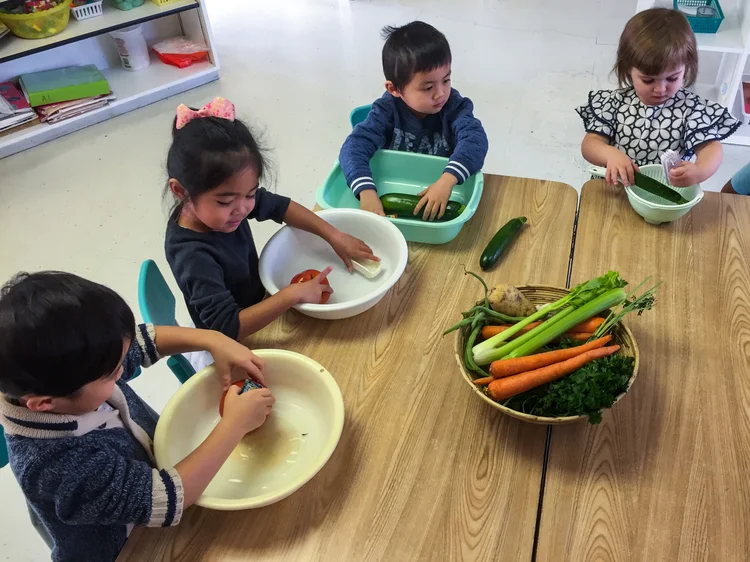
Practical life activities are an important part of Montessori life. Children practice tasks like pouring water, sweeping, or folding clothes. These tasks may seem small, but they help children gain independence and responsibility.
In a classroom with children ages three to six, these activities also teach social skills. Children learn to wait for their turn, help each other, and respect shared spaces. These lessons create a calm and supportive classroom where everyone feels included.
Art and sensory activities are very important in a Montessori classroom. Children paint, draw, play with clay, and explore different textures. These activities help children use their imagination and develop fine motor skills.
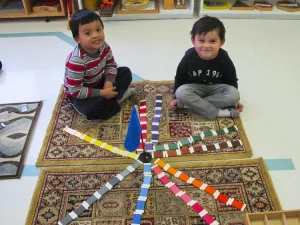
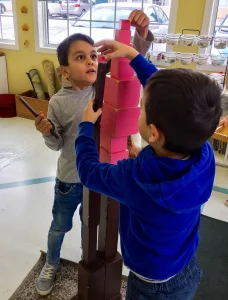
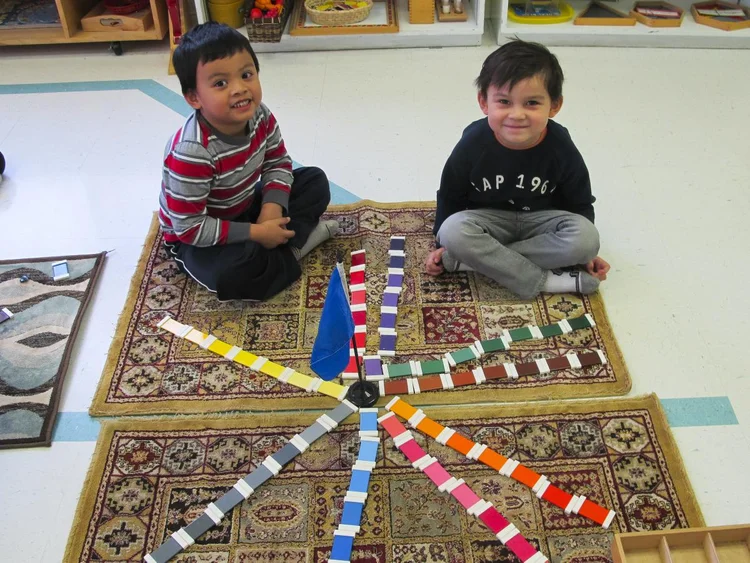
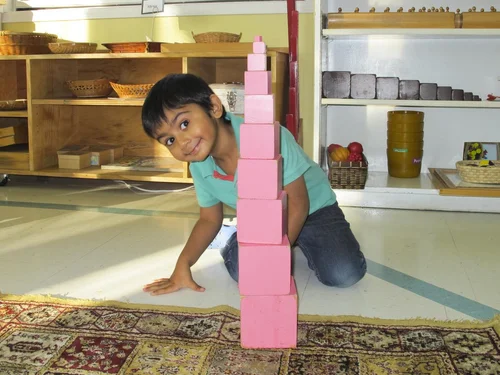
Sensorial materials are also used to explore shapes, colors, sounds, and patterns. These exercises strengthen the senses and help children connect what they feel and see with learning ideas. Every activity encourages thinking, discovery, and creativity.
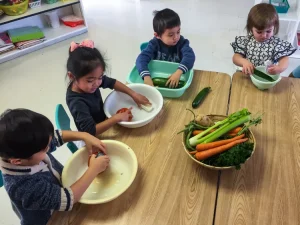
Snack time is not only a break but also a learning opportunity. Children practice manners, share food, and talk with each other. They wash their hands, set the table, pour drinks, and clean up afterward.
These routines teach responsibility and independence. They also help children learn to work together and treat each other kindly. Snack time gives children a chance to build friendships and enjoy being part of a classroom community.
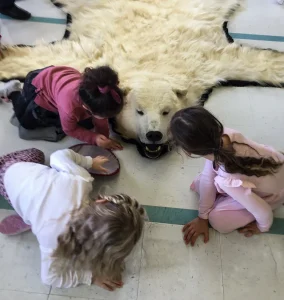
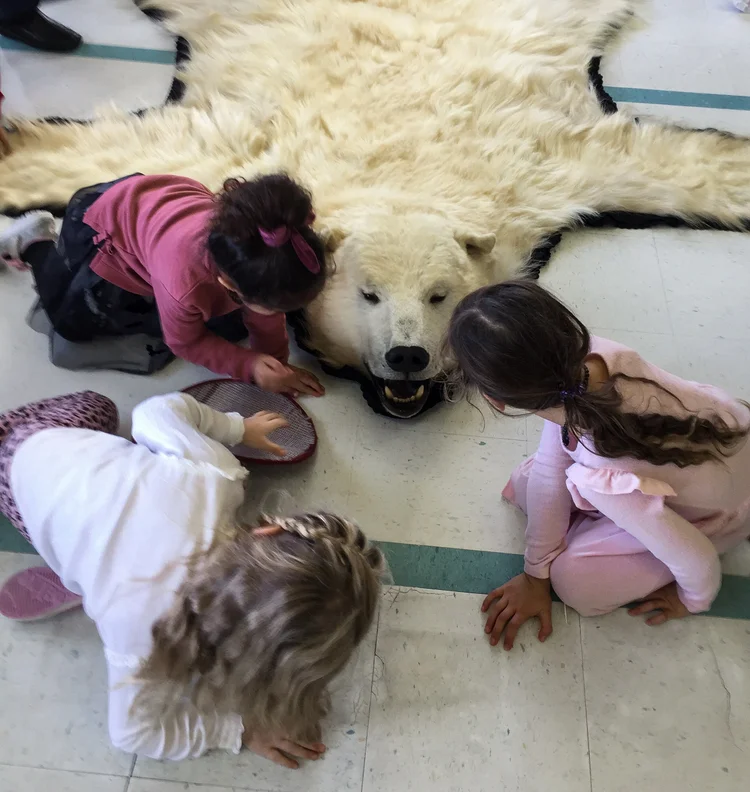
Spending time outside is an important part of Montessori life. Children explore the garden, watch insects, and learn about plants and the weather. Playing outdoors helps children build strength, coordination, and teamwork.
Nature activities also connect classroom learning with the real world. Children can count leaves, observe changes in the seasons, and understand how plants grow. Outdoor time encourages curiosity and makes learning exciting.
At the end of the day, children return to quiet activities such as reading, storytelling, or drawing. This helps them reflect on what they learned and prepare for going home. These calm moments give children a sense of achievement and satisfaction. By the time they leave, they have learned new skills, explored interesting ideas, and practiced being independent and responsible.
Montessori classrooms help children become independent, curious, and confident. Teachers guide children rather than tell them what to do. Children are free to explore materials and ideas at their own pace. For children aged three to six, Montessori classrooms provide a balance of structure and freedom. Children develop academic skills as well as social skills, independence, and a love for learning.
1. What happens in a Montessori classroom each day?
Children start the day calmly, work in long cycles on activities, practice practical life skills, do art and sensory exercises, enjoy snack and social time, spend time outside, and end the day with quiet reflection.
2. How is Montessori learning different from other classrooms?
Montessori classrooms let children learn at their own pace. They focus on hands-on activities, independence, and social skills, while traditional classrooms often follow strict schedules and teacher-led lessons.
3. What age group does Montessori work best for?
Montessori programs are available for different ages, but our classrooms focus on children ages three to six.
4. Why is independence important in Montessori life?
Independence helps children feel confident, make decisions, and learn how to solve problems.
5. How do Montessori classrooms help children make friends?
Children work together on activities, help each other, and share responsibilities. This teaches respect, teamwork, and communication skills.
At Crestwood Montessori School, we provide a welcoming and engaging Montessori environment for young learners. Our classrooms are designed to support independence, curiosity, and growth for children ages three to six. Visit us to see how Montessori life helps children learn, explore, and thrive every day.
 Recent Post
Tag Post
Recent Post
Tag Post