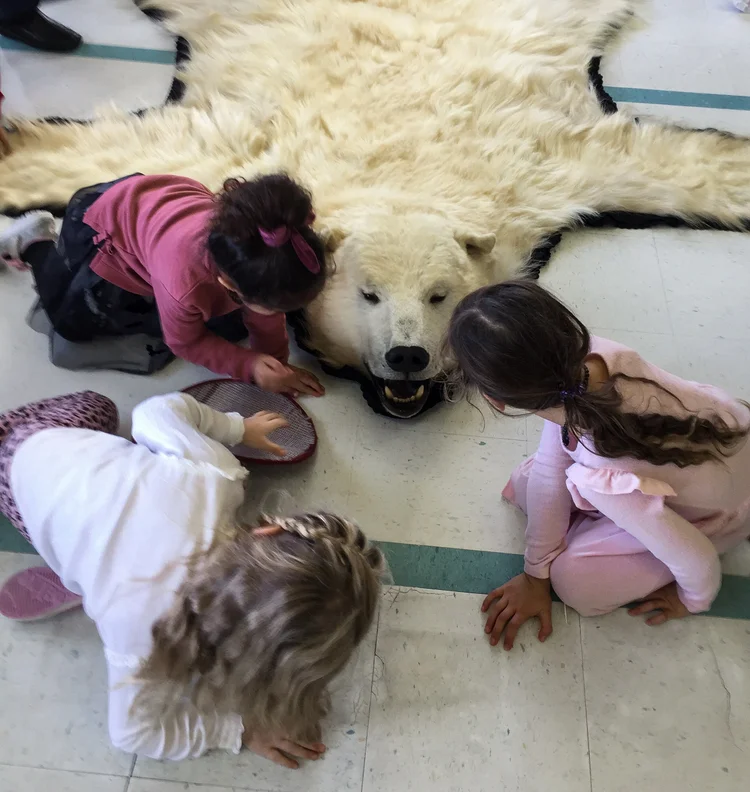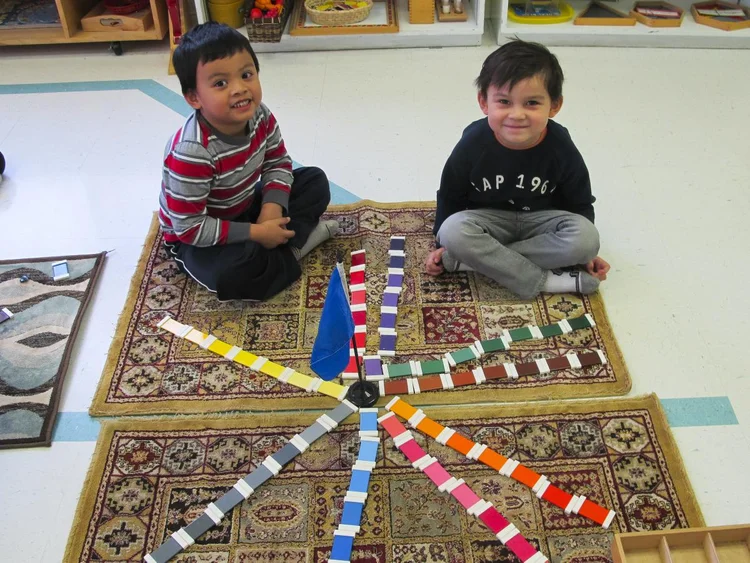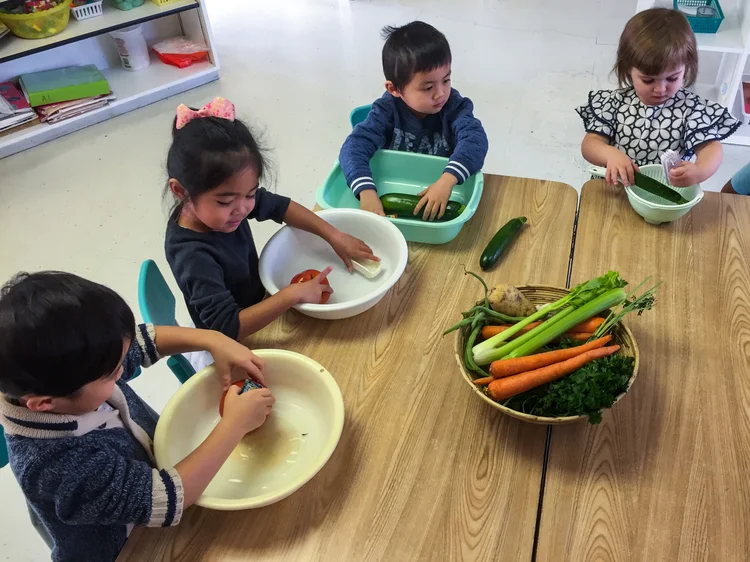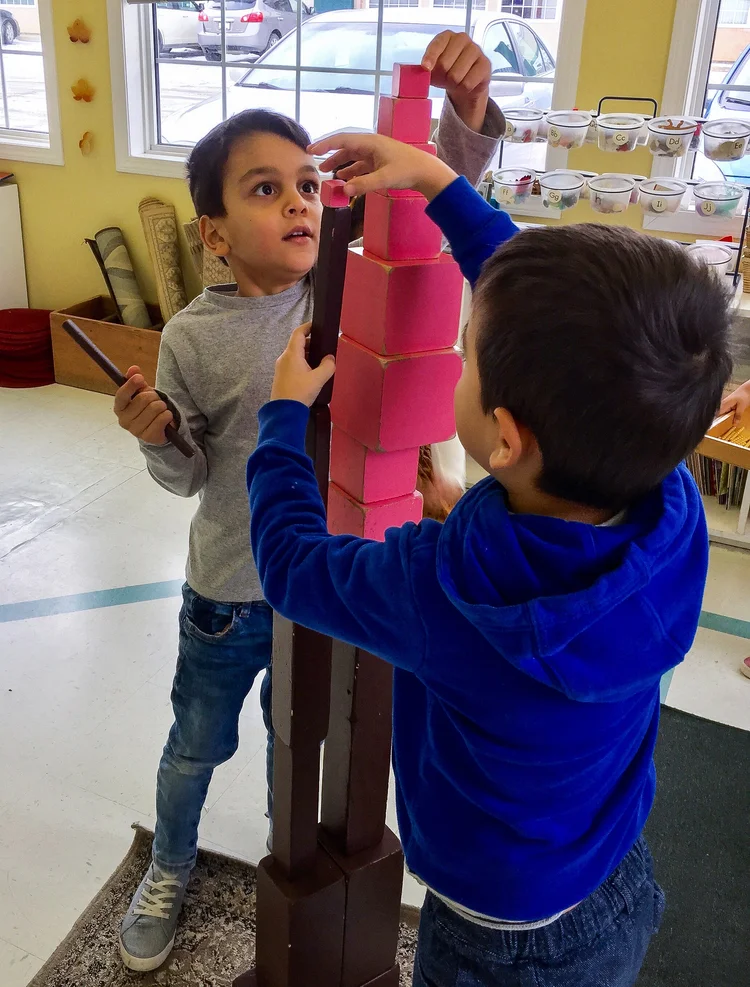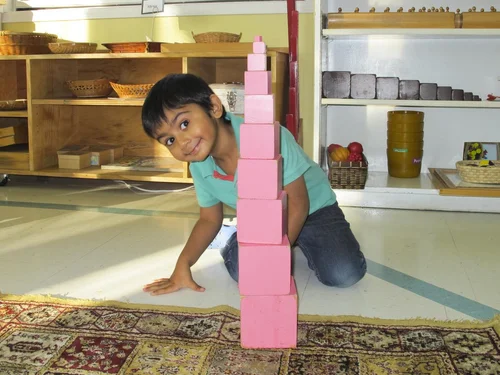


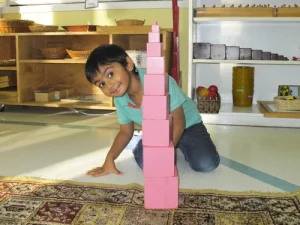
On a bright morning at Crestwood Montessori School, a group of children sits in a peaceful classroom filled with colorful materials. One child carefully stacks wooden cylinders, another gently washes a plant leaf, and a third works on a small puzzle. To an outsider, it might look like simple play. But in truth, these children are developing focus, coordination, problem-solving skills, and independence. This is what we call play-based learning, a key part of childhood education for kids that helps children grow in natural and meaningful ways.
What is learning through Play Based?
Learning through Play Based is an approach to education that uses play as the main way for children to explore and learn. Instead of only listening to lessons or memorizing facts, children learn by doing. They use their senses, ask questions, experiment, and figure things out for themselves.
At Crestwood Montessori School, we use the Montessori method, which blends perfectly with play-based learning. Our classrooms are calm, beautiful spaces designed to encourage curiosity and independence. Here, children can choose activities that interest them, move freely, and work at their own pace. Our teachers observe and guide them, stepping in when needed but allowing them to learn through hands-on experience.
When a child matches shapes, pours water, or sets a table, they are learning important lessons about focus, control, and responsibility. Every small action builds a strong foundation for later academic success.
Why Play Based Learning Matters in Early Childhood Education?
1. It Builds Thinking and Problem-Solving Skills
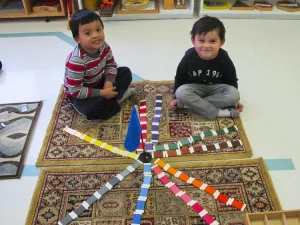
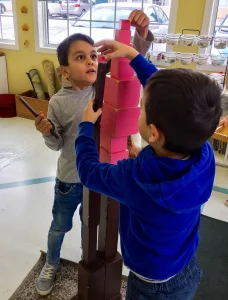
Through play, children practice skills they will use throughout their lives. When they build with blocks or sort objects by color, they are learning about patterns, balance, and cause and effect. These experiences develop memory, attention, and reasoning skills.
At Crestwood Montessori School, children are encouraged to think deeply, make choices, and correct their own mistakes. These problem-solving moments are more powerful than simply being told what to do.
2. It Encourages Independence and Confidence
When children make choices during play, they learn responsibility and independence. In our classrooms, each child selects materials, completes an activity, and cleans up afterward. This helps them feel capable and confident.
Our mixed-age classrooms, which include children ages 3 to 6, also allow older children to help younger ones. This builds leadership, kindness, and patience. These experiences help children grow into confident learners who are proud of what they can do.
3. It Supports Social and Emotional Growth
Play is one of the best ways for children to understand their emotions and build relationships. When they share materials, take turns, and work together, they learn how to communicate and cooperate.
At Crestwood Montessori School, our calm and respectful environment helps children feel safe expressing themselves. They learn empathy by watching and helping others. This strong emotional foundation supports healthy relationships throughout life.
4. It Respects Each Child’s Unique Way of Learning
Every child learns differently and at their own pace. Play-based learning allows for this natural variation. Some children may prefer building, while others might enjoy art, music, or nature-based activities.
Our teachers observe carefully and guide children toward materials that match their interests and abilities. This approach encourages growth without pressure or comparison.
5. It Connects Learning to Real Life
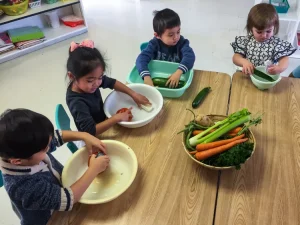
Children learn best when lessons are meaningful. At our school, play often involves real-world experiences such as preparing food, caring for plants, or sorting natural materials. These tasks teach practical life skills and connect learning to everyday living.
Subjects like math, language, art, and science are woven into these experiences. For example, counting apples while preparing a snack builds math skills, while discussing colors and textures strengthens vocabulary. Everything is connected through play.
Frequently Asked Questions
Q1: What does play-based learning look like at Crestwood Montessori School?
A1: It looks like children choosing activities that interest them, such as pouring water, matching colors, or caring for plants. Teachers guide and observe them, but children take the lead in their learning.
Q2: How is play-based learning different from free play?
A2: Free play is unstructured and spontaneous, while play-based learning is guided by teachers in a prepared environment. Children still have freedom, but the materials and activities are designed to support learning goals.
Q3: What ages can benefit from this approach?
A3: Our classrooms serve children ages 3 to 6, which is the most important stage for early development. During these years, children learn best through hands-on play and exploration.
Q4: How can parents encourage play-based learning at home?
A4: Give your child time to explore and play without screens or pressure. Offer simple materials like building blocks, art supplies, or items from nature. Allow them to make choices and take responsibility for cleaning up. Talk with them about what they are doing and discovering.
Q5: Does play-based learning prepare children for school?
A5: Yes. At Crestwood Montessori School, children develop focus, discipline, and foundational academic skills through play. They build confidence and curiosity, which makes them eager and prepared for future learning.
Contact Now!!
At Crestwood Montessori School, we believe play is the work of childhood. When children learn through play, they are not only preparing for school but for life. Our mission is to guide each child toward independence, joy, and discovery.
To see how play-based learning shapes bright, curious, and capable young minds, we invite you to visit our classrooms and experience the Crestwood difference.


 Category