

Starting school is one of the biggest changes in a child’s early life. It is exciting and full of new opportunities, but it can also feel overwhelming. One of the best ways to help children adjust is by creating steady routines at home. A clear and consistent school morning routine and structured habits throughout the day give children confidence, reduce stress, and prepare them to focus on learning.
At Crestwood Montessori, we believe that daily routines both at home and in school work together to give children the foundation they need to succeed.
Why Routines Are Important for Children?
Children grow best when they know what to expect. A predictable schedule provides them with a sense of security and order. This helps reduce anxiety and makes everyday life easier to manage. Routines also teach responsibility and independence because children begin to take ownership of what they need to do.
In Montessori education, we balance freedom with structure. Children are encouraged to make choices within a prepared environment, but the order of the day provides stability. This balance allows children to explore while still feeling safe and supported.
Building a Calm School Morning Routine
The way a morning begins often shapes the entire day. A stressful and rushed morning can make a child feel anxious at school. A calm and steady morning, on the other hand, helps a child walk into the classroom ready to learn and participate.
Here are some steps parents can use to build a smoother start to the day:
Getting ready the night before saves time in the morning. Parents can set out clothes, pack lunches, and place backpacks by the door. This removes last-minute stress.
Consistency is key. Children need enough sleep to focus and learn. Waking up at the same time each day helps their bodies develop a natural rhythm.
Children can take on simple tasks like dressing themselves, brushing their teeth, or pouring cereal. At Crestwood Montessori, we encourage independence every day, and practicing at home helps children feel capable and proud.
A balanced breakfast fuels the mind and body. Keeping meals simple but nutritious makes mornings easier to manage.
A warm hug, a smile, and a reassuring goodbye signal to the child that it is time to start the school day with confidence.
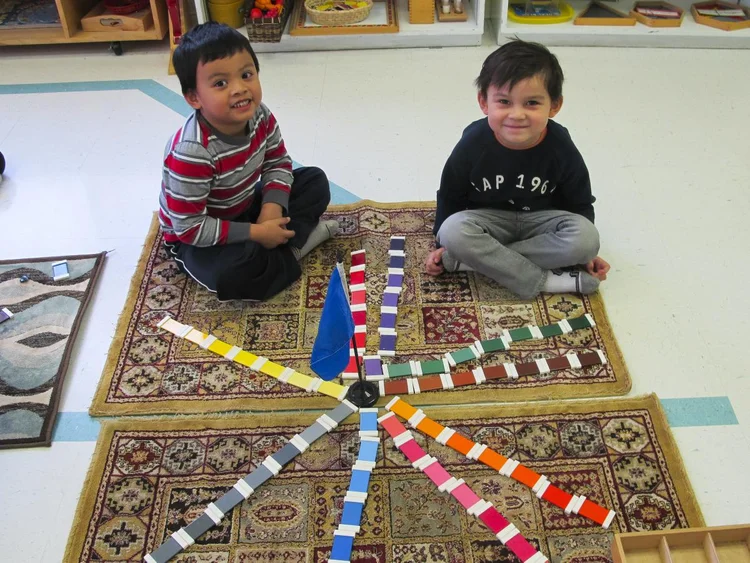
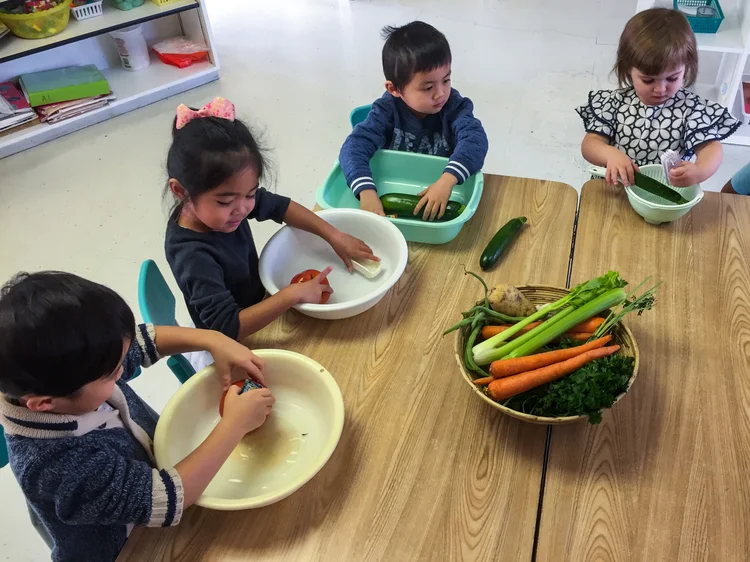
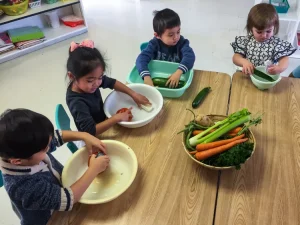
Daily routines do more than help mornings go smoothly. They also teach important life skills. Simple tasks like setting the table, pouring juice, or packing a backpack strengthen coordination and responsibility. At Crestwood Montessori, these kinds of tasks are called “practical life activities.” They may seem small, but they build independence and confidence. When children feel capable in small tasks, they are more willing to take on new challenges at school.
Beyond the Morning: Other Helpful Daily Routines
While the children morning routine is an important start, routines during other parts of the day are equally valuable. A steady flow from morning to evening helps children feel balanced and supported.
Going to bed at the same time each night helps children get enough rest. A quiet bedtime routine, such as reading or calming music, signals that the day is ending. Well-rested children perform better in school.
A short play break after school allows children to relax before starting homework or other responsibilities. This balance of play and work is also part of the Montessori philosophy.
Dinner time or evening conversations give children the chance to share their experiences. Talking about the day helps children reflect, process feelings, and feel supported by their family. At Crestwood Montessori, we encourage families to connect home routines with what children experience in the classroom. This partnership helps children build consistency in their learning and personal growth.
How Crestwood Montessori Supports Routines?
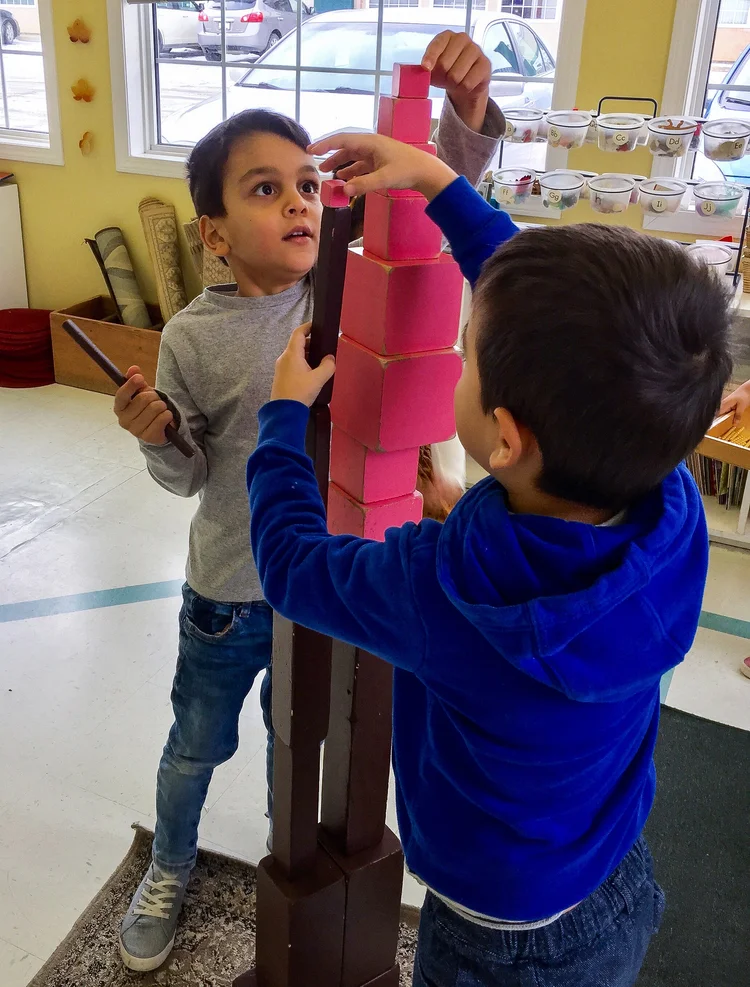
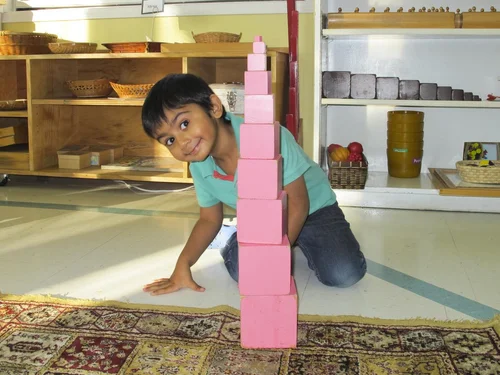
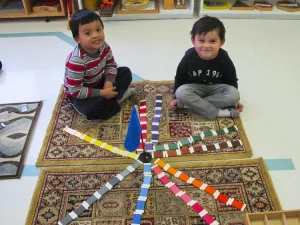
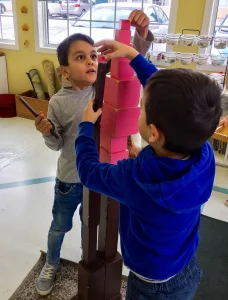
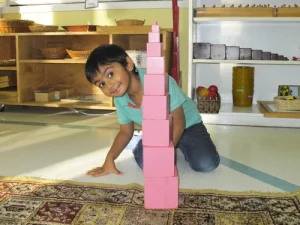
We know that every child is unique, and routines should support their individual needs. In our Montessori classrooms, children enter an environment that is carefully prepared. Everything has a place, and every activity is designed to support independence and focus.
Here is what a typical day at Crestwood Montessori includes:
We also work closely with families to share tips on how to support learning at home. When children experience similar values of independence and order at school and home, the transition between the two becomes seamless.
The Long-Term Benefits of Routines
When children grow up with clear routines, they gain skills that last far beyond preschool or kindergarten. They learn how to manage their time, organize their belongings, and approach tasks with focus. These skills prepare them for later stages of education and even adulthood.
Children who practice independence at home often show more confidence in the classroom. They are less likely to feel overwhelmed by new tasks because they have already learned how to manage responsibilities in daily life. Routines also reduce stress for parents, since mornings and evenings become smoother and more predictable.
At Crestwood Montessori, we see every day how consistent routines make a difference. Children who feel confident in their abilities are better able to focus on learning, problem-solving, and building social relationships.
Frequently Asked Questions
1. What is the most effective way to start a school morning routine?
The best way is to prepare the night before. Have clothes ready, backpacks packed, and lunches set out. Combine this with a regular wake-up time and a calm goodbye to make mornings stress-free.
2. How much time should we allow in the morning before school?
Most families find that 60 to 90 minutes before leaving for school works well. This gives children enough time to wake up, get ready, eat breakfast, and prepare without rushing.
3. How do I help my child become more independent in the morning?
Start small. Encourage them to do simple tasks like dressing themselves or brushing their teeth. Over time, they can take on more responsibility, such as packing their bag or helping prepare breakfast.
4. Do routines really make school transitions easier?
Yes, routines reduce uncertainty and create a sense of stability. When children know what to expect, they feel less anxious and more confident in new situations like starting school.
5. How does Crestwood Montessori support families with routines?
We provide a consistent classroom structure and encourage independence in every child. We also share ideas with families on how to create similar routines at home. This combined approach gives children the best chance for success.
Ready to Build Stronger Routines?
Transitions to school do not have to be stressful. With the right routines, including a consistent children morning routine, children approach school with confidence, calmness, and joy. At Crestwood Montessori, we are committed to helping families create daily habits that support learning and independence. We invite you to visit us, meet our teachers, and see how our classrooms support children as they grow. Together, we can make the transition to school a positive and empowering experience.


 Category