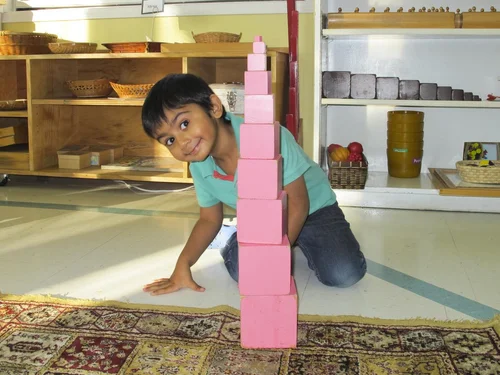


One morning in our classroom, a five-year-old noticed that a younger child was having trouble putting away a puzzle. Without being asked, the older child smiled, knelt down, and said, “I can help you.” That small moment of kindness showed the true spirit of learning at Crestwood Montessori School. It was not about solving a puzzle; it was about learning to care, communicate, and connect. These are the lessons that form the heart of early childhood development.
At Crestwood Montessori School, we believe that emotional and social growth are just as important as academics. The early years are when children learn to express feelings, cooperate with others, and build relationships. These skills prepare them not only for school but for life.
Why Social and Emotional Learning Matters in Early Childhood?
During early childhood, children begin to understand who they are and how they fit into the world. They learn to share, express emotions, solve problems, and manage frustrations. These skills, often called emotional learning, help children grow into confident, caring, and responsible individuals.
Research shows that children who develop strong social and emotional skills in the early years are better able to handle challenges, work in teams, and form positive relationships later in life. That is why emotional learning is a key part of what we do at Crestwood Montessori School.
How We Teach Social and Emotional Learning?
A Supportive and Respectful Environment
Our classrooms are calm, organized, and filled with respect. When children enter, they quickly learn that it is a place where everyone helps each other, listens carefully, and treats others kindly. This atmosphere gives children the confidence to explore, share ideas, and try new things.
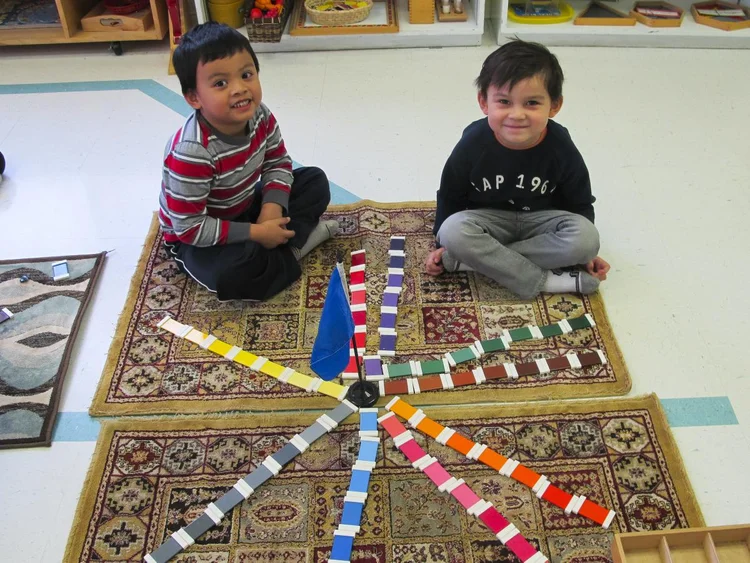
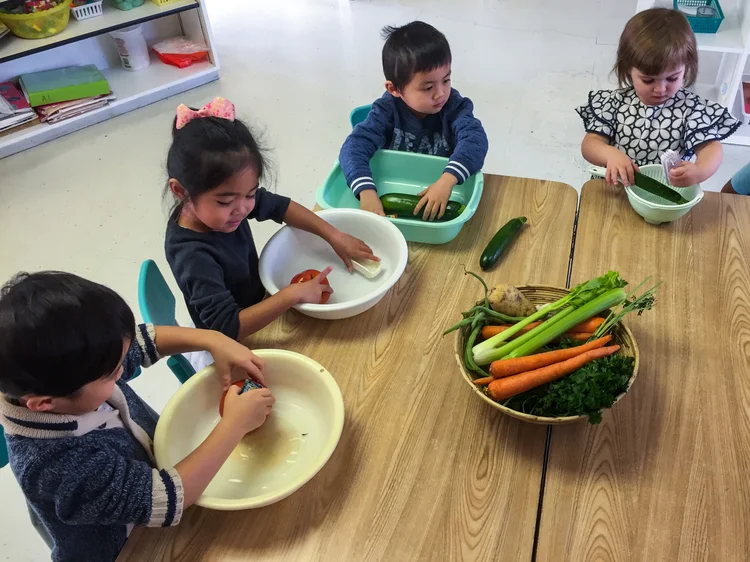
Each classroom is designed to promote independence and cooperation. Children choose their activities, care for their space, and respect others’ work. These daily routines help them build responsibility and awareness of the people around them.
Grace and Courtesy Lessons
One of the most unique parts of the Montessori approach is our “Grace and Courtesy” lessons. These are short, practical lessons that teach manners and communication in simple ways. For example, children learn how to greet someone politely, offer help, say “please” and “thank you,” wait for a turn, and apologize when needed.
Through these small but meaningful lessons, children gain the tools they need to interact kindly and respectfully. Over time, these practices become natural habits that help them build healthy friendships.
Learning from Each Other
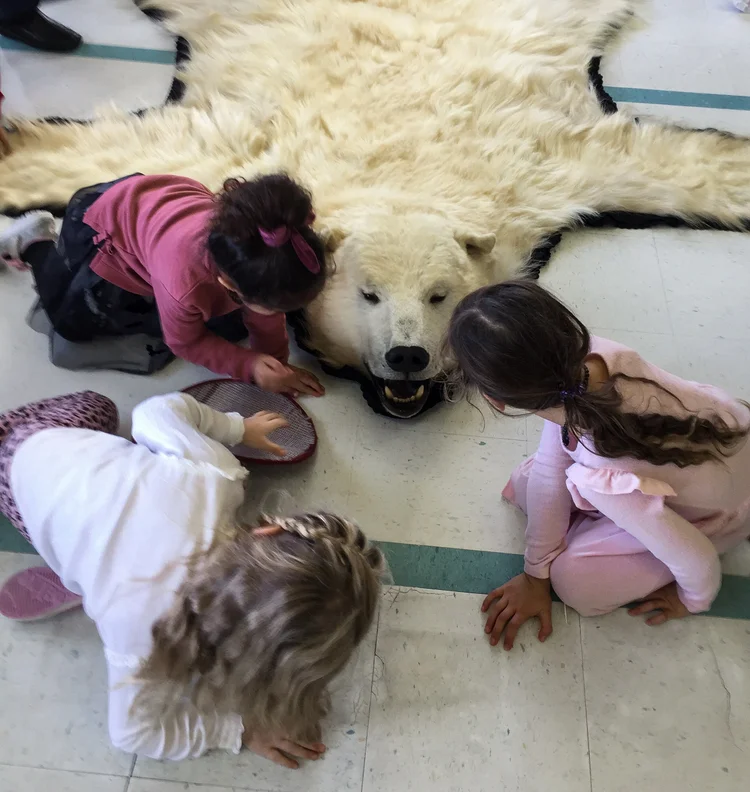
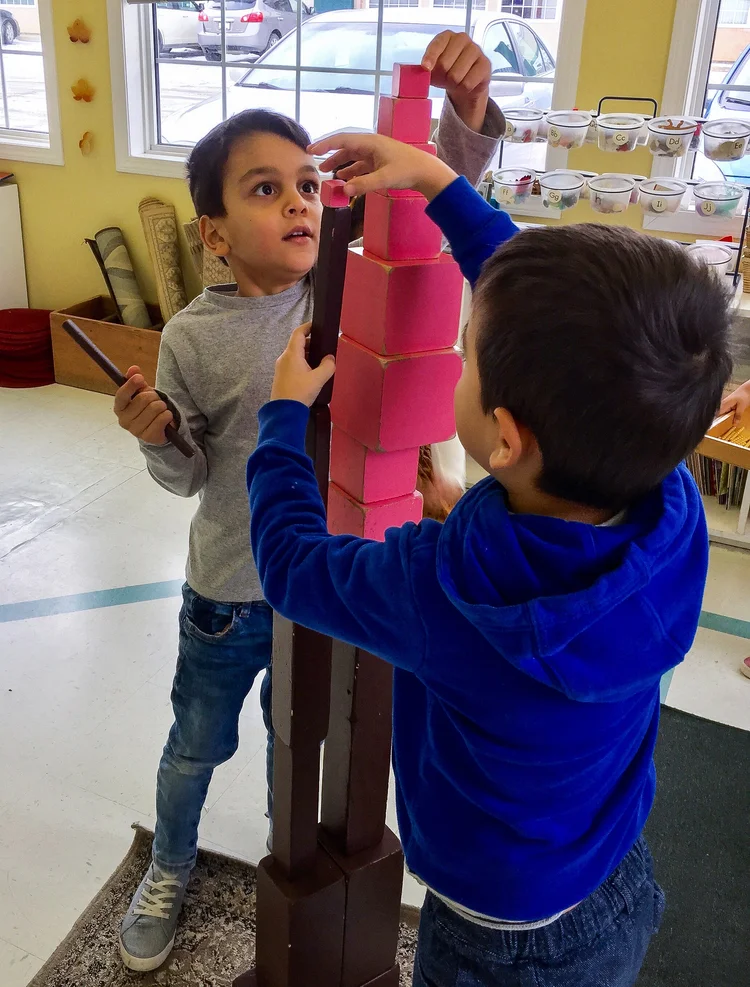
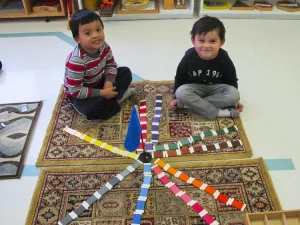
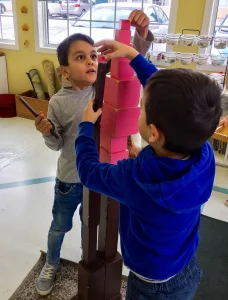
In our mixed-age classrooms, children between three and six years old work together. Younger children observe and learn from older ones, while older children develop empathy and leadership by helping younger classmates. This system encourages cooperation and patience.
The mixed-age setting also helps children learn at their own pace. A shy child gains confidence by watching others, while a confident child learns to guide and support. These interactions build social understanding and emotional maturity.
Understanding Feelings and Managing Emotions
At Crestwood Montessori School, we help children recognize and manage their emotions. When a child feels upset or frustrated, teachers guide them in identifying what they are feeling and finding calm ways to respond. For example, we might say, “It looks like you feel sad because your work was disturbed. Let’s talk about it and find a solution.”
Children are encouraged to take deep breaths, use words to express feelings, and solve problems peacefully. Over time, they learn that emotions are natural and manageable. This ability to understand and control feelings is the foundation of emotional intelligence.
Building a Sense of Community
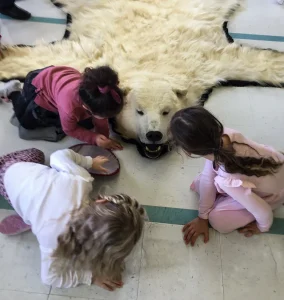
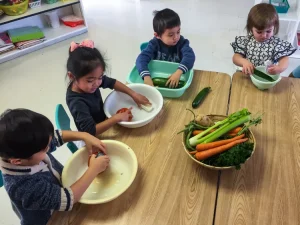
Every activity in our classroom contributes to a sense of belonging. Children help clean up after lessons, care for plants and pets, and assist classmates. These small acts teach them that they are part of a community where everyone contributes.
By learning to care for their environment and for others, children develop empathy and responsibility. They understand that their actions affect those around them, and they begin to take pride in helping others succeed.
Frequently Asked Questions
Q1: At what age do children start learning social and emotional skills at Crestwood Montessori School?
A1: Children begin learning social and emotional skills as soon as they join our program, usually around age three. Every interaction in the classroom provides an opportunity to build communication, empathy, and confidence.
Q2: How do teachers handle conflicts between children?
A2: We guide children to talk about their feelings and find solutions together. Teachers model calm communication and help children express their thoughts respectfully. This approach helps them learn problem-solving and emotional control.
Q3: What can parents do at home to support emotional learning?
A3: Parents can talk with their children about feelings, encourage sharing, and model empathy. Reading stories, playing cooperative games, and discussing emotions openly at home strengthen what children learn at school.
Q4: How is emotional learning connected to academic success?
A4: When children feel calm, confident, and supported, they are more focused and ready to learn. Emotional stability helps children develop curiosity, persistence, and motivation—all of which are essential for academic growth.
Q5: How does the Montessori approach support emotional development?
A5: Montessori education emphasizes independence, choice, and respect. These principles help children develop confidence, self-control, and empathy. They learn to understand their emotions while respecting others’ feelings.
Connect With Us!!
Social and emotional learning are the cornerstones of success in early childhood. At Crestwood Montessori School, we see every day how empathy, respect, and understanding transform young learners into confident and caring individuals.
Through our calm classrooms, hands-on lessons, and dedicated teachers, we nurture not just the mind but the heart. We invite you to visit Crestwood Montessori School and see how our approach to emotional learning and social development helps children grow into thoughtful, capable, and happy learners.

 Category