Copyright © 2026 Crestwood Montessori School. All rights reserved By Digital Guider.

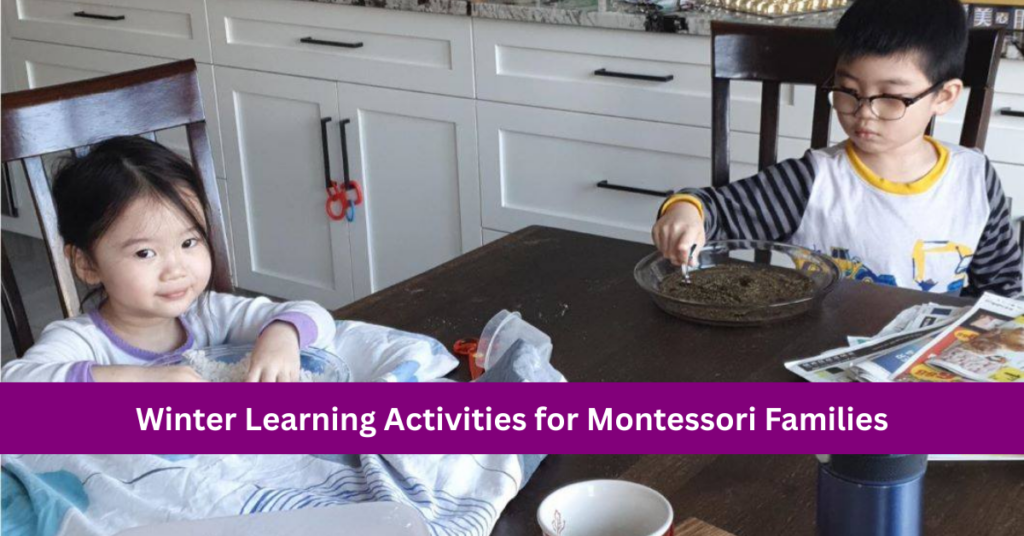
Winter is an exciting time for children. The chilly weather, snow, and shorter days can feel magical and full of new things to explore. For preschoolers, winter activities preschool offers a great chance to learn while having fun. Families who follow the Montessori approach can use this season to try activities that encourage curiosity, independence, and hands-on learning.
Montessori education focuses on learning by doing. Children explore materials, practice real-life skills, and follow their own interests. Winter is perfect for this because it offers many unique experiences. Snow, ice, and seasonal changes give children a way to observe the world around them. These experiences also help them learn important skills like counting, measuring, and problem-solving.
For example, children can watch ice melt, build snow shapes, or count snowflakes. They can explore temperature differences, shapes, and textures. Activities like these are not only fun but also teach early science and math concepts.
When it is too cold to play outside, there are plenty of indoor Montessori winter activities to keep children learning. These activities focus on hands-on experiences and encourage children to think and create.
You do not need real snow to have a sensory snow activity. You can use baking soda, salt, or homemade snow dough. Children can scoop, pour, and mold the snow material. This helps develop fine motor skills and teaches them about textures and shapes.
Art is a great way for children to express themselves while learning. They can make paper snowflakes, paint winter scenes, or create winter collages using natural materials. Art projects support creativity, hand-eye coordination, and focus.
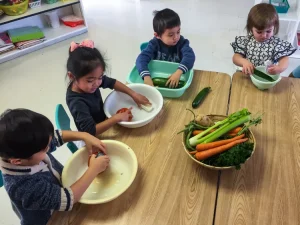
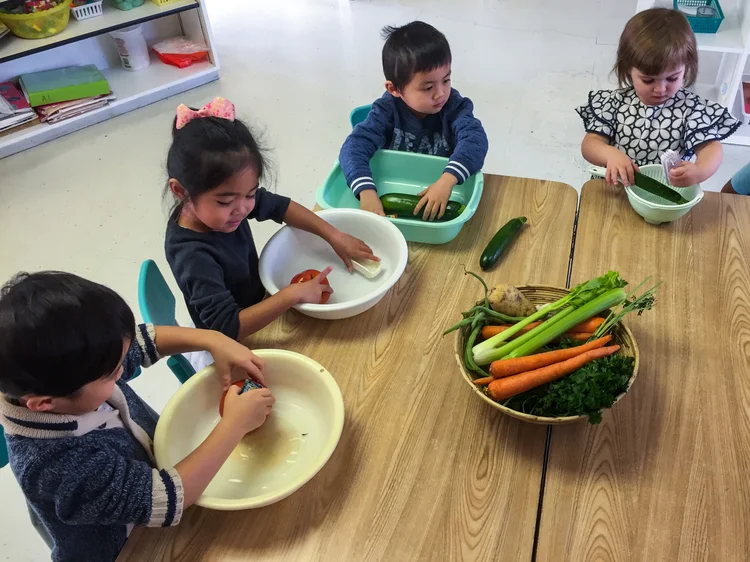
Montessori activities often involve real-life tasks. Children can help fold winter clothes, organize mittens and scarves, or prepare like hot cocoa. These tasks teach responsibility, independence, and step-by-step thinking.
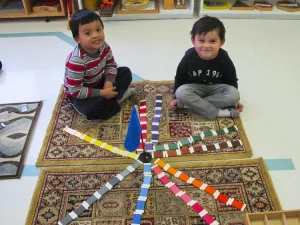
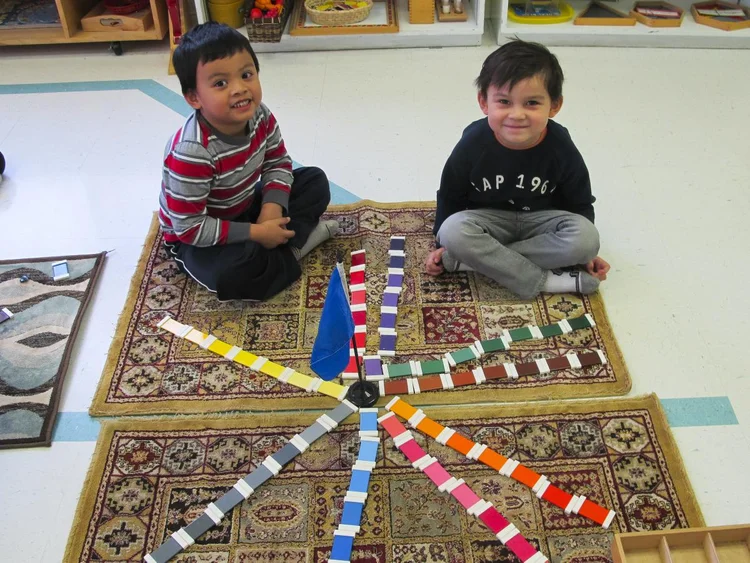
Counting, sorting, and patterns can all be done with a winter twist. Children can count cotton balls as snowballs, sort buttons by size or color, or create patterns using winter-themed items. These activities improve early math skills while keeping learning fun.
Language is important for preschoolers. You can read books about winter, talk about seasonal changes, or ask children to describe a snowflake or a winter scene. Storytelling and discussion help children expand their vocabulary and imagination.
When the weather allows, outdoor play gives children fresh air and more ways to learn. Winter outdoor activities help children explore nature, stay active, and use their senses.
Nature Walks and Science Exploration
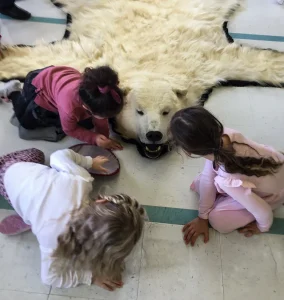
Take children on walks to look for animal tracks, collect pinecones, or examine frozen ponds. Ask questions like “Why is the pond frozen?” or “How do birds find food in winter?” These exercises foster curiosity in the natural world, critical thinking, and observation.
Outdoor winter play also helps children develop large muscles and coordination. Activities like building a snowman, throwing snowballs, or walking in the snow promote gross motor skills. Children learn to move safely while having fun.
1. What are easy Montessori winter activities at home?
Simple activities include sensory snow play, winter-themed counting games, and making art projects like snowflakes or winter paintings.
2. How can preschoolers explore winter science?
Children can watch ice melt, examine frozen puddles, track changes in weather, and explore different textures in snow.
3. What indoor winter activities do preschoolers enjoy most?
Children enjoy activities like practical life tasks, puzzles, sensory bins, and storytelling. These keep them learning even when it is cold outside.
4. How do winter activities support Montessori learning?
Winter activities teach independence, concentration, problem-solving, and motor skills. They fit well with Montessori methods that focus on hands-on learning.
5. Can outdoor winter play help preschoolers learn?
Yes. Outdoor play helps with physical development, exploring nature, and practicing real-life skills. It complements indoor Montessori learning.
Winter does not have to slow down learning. The season offers many ways for preschoolers to explore, create, and learn new skills. By combining indoor and outdoor Montessori winter activities, children can stay active, curious, and independent. Families can turn the winter months into a time of discovery and fun.
For parents who want support, ideas, or a Montessori classroom experience for children aged 3 to 6, we welcome you to see how we bring winter learning to life at Crestwood Montessori School.
 Recent Post
Tag Post
Recent Post
Tag Post