Copyright © 2026 Crestwood Montessori School. All rights reserved By Digital Guider.

Have you ever seen a child learn something all by themselves and feel proud? That feeling is at the heart of Montessori education. It is a way of learning where children are trusted to explore, try new things, and learn at their own pace.
If you are a parent trying to understand what is Montessori education, this guide will help you understand it in a very simple way. You will also learn how it supports children in growing, thinking, and becoming independent.
Montessori education is a special way of teaching children. It was created by Dr. Maria Montessori. In this method, children do not just listen to teachers. Instead, they learn by doing things on their own.
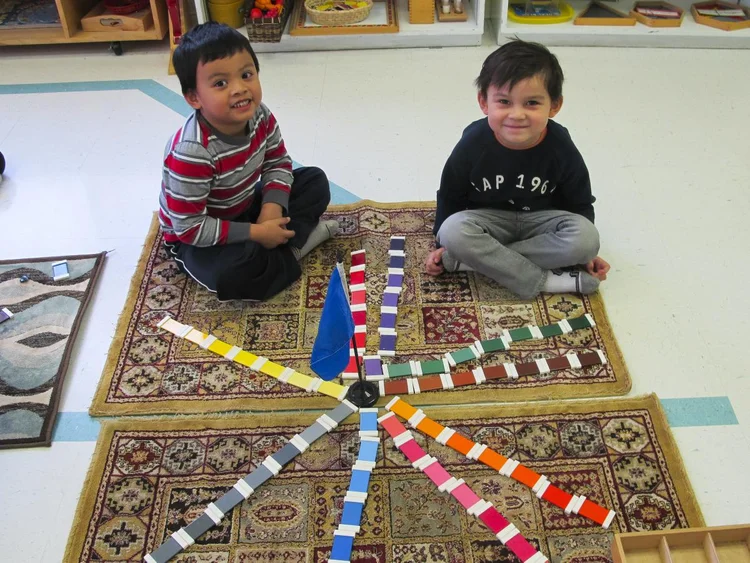
In a Montessori classroom, children are free to choose activities that interest them. They use hands-on learning tools and learn through real experiences. Teachers guide them, but they do not force learning.
So, in simple words, Montessori education means learning by exploring, doing, and discovering.
This idea is the foundation of Montessori education for parents who want a more natural way of learning for their children.
To understand how does Montessori education work, think of a classroom that is calm, organized, and full of learning materials that children can use anytime.
Children are not all doing the same thing at the same time. Each child picks an activity that they like. Some children may be learning numbers while others may be learning how to pour water carefully or read simple words.
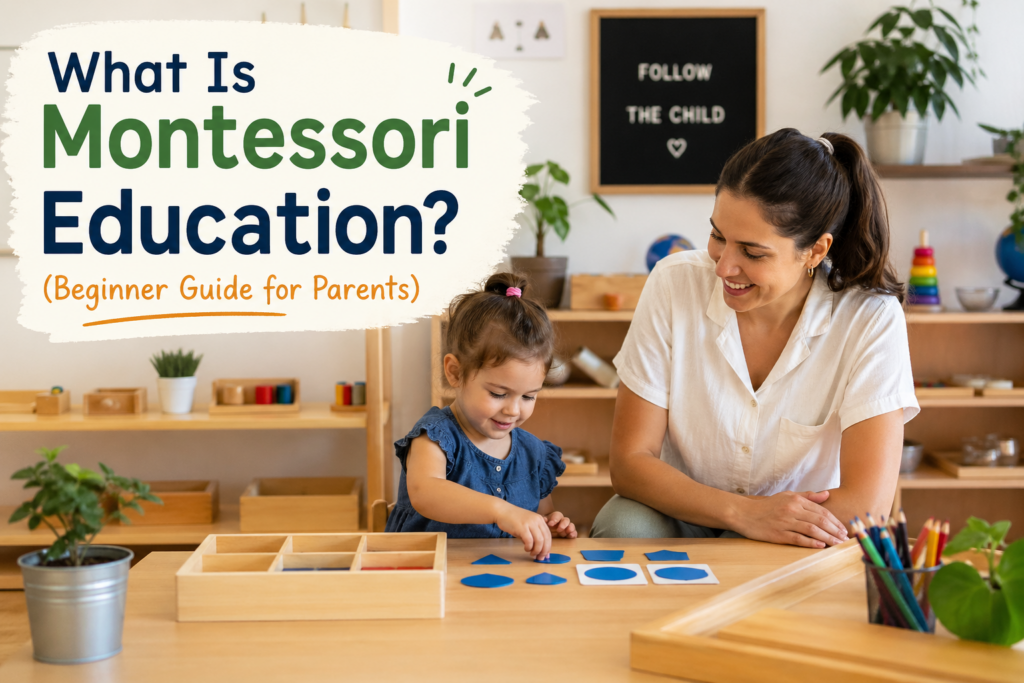
The teacher watches each child closely. Instead of giving long lessons, the teacher shows how something is done and then lets the child try it on their own.
This Montessori learning approach helps children become confident because they learn by trying things themselves instead of only listening.
A Montessori classroom feels different from a normal classroom. It is peaceful and arranged in a way that helps children move freely and safely.
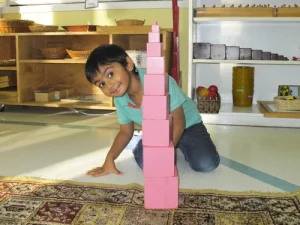
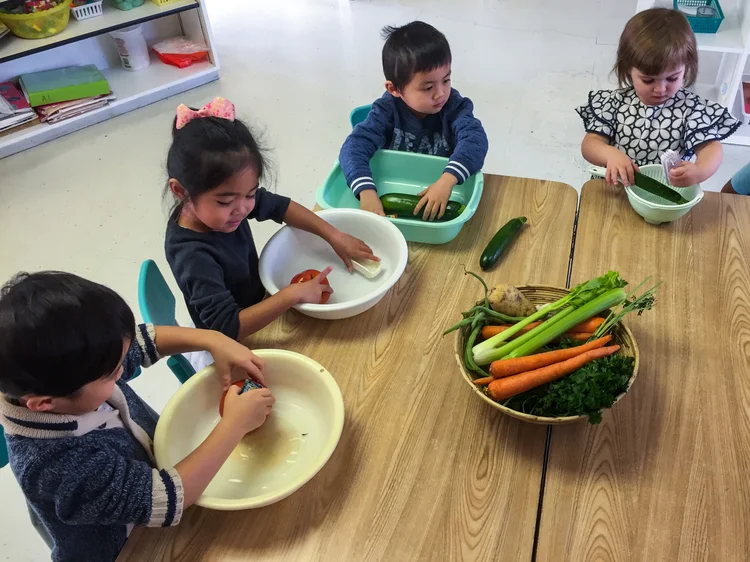
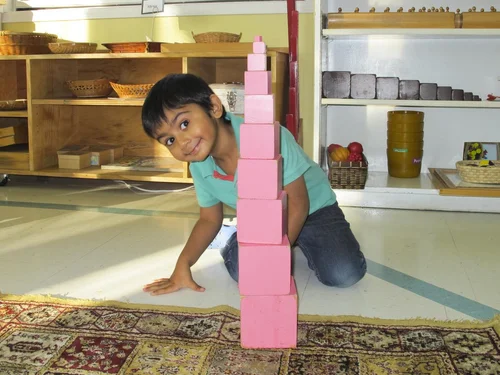
Everything in the room is made for children. Tables, chairs, and shelves are small so they can reach things easily. Learning materials are placed on open shelves so children can choose what they want to use.
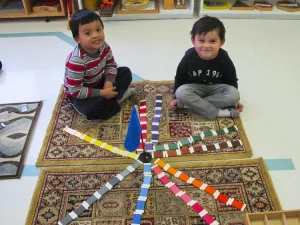
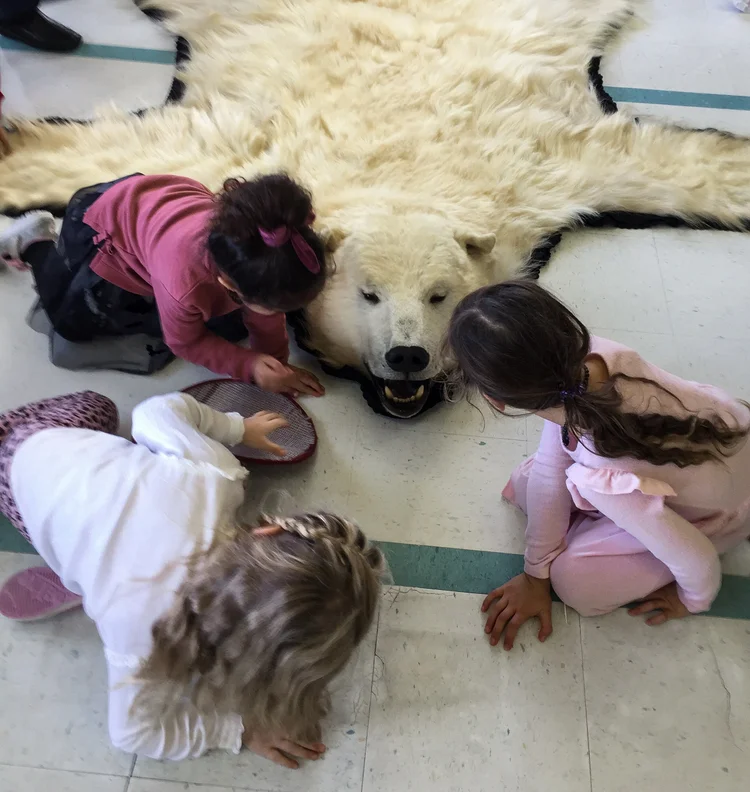
Children often work on the floor or at small tables. They can move around, choose their work, and learn without pressure. This helps them feel responsible and independent.
The Montessori learning approach focuses on learning through experience. Instead of memorizing information, children understand ideas by doing activities.
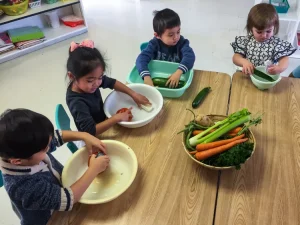
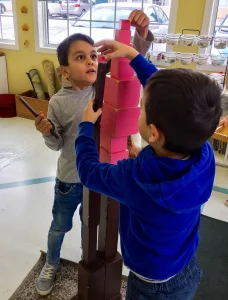
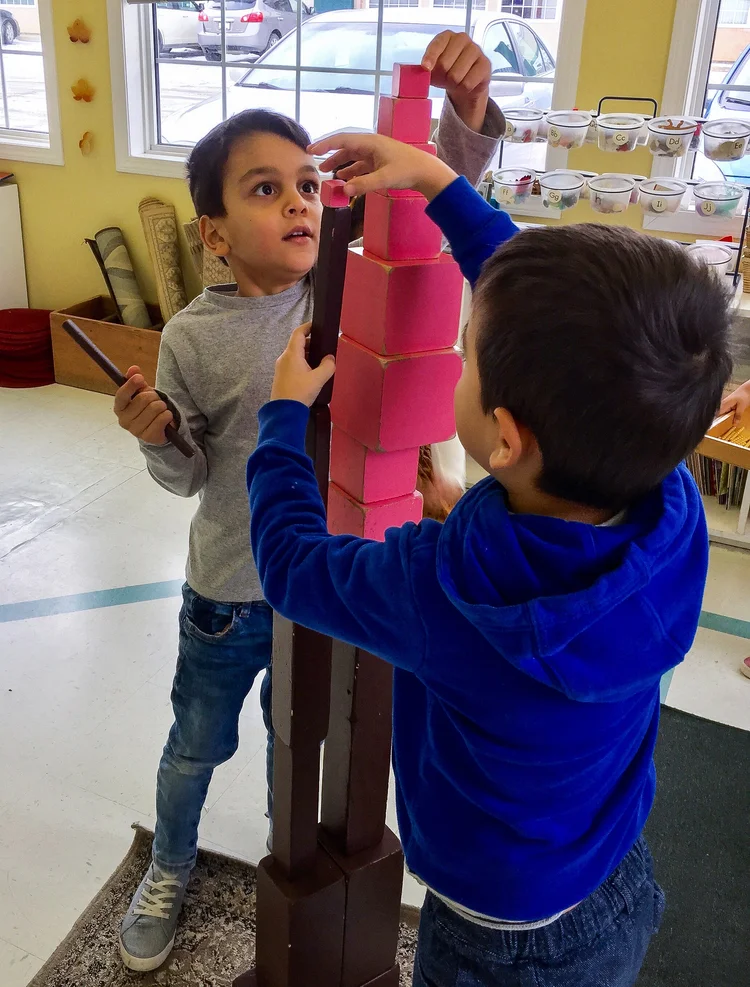
For example, instead of only learning about numbers on paper, children may use beads or blocks to understand counting. Instead of only reading about daily life skills, they practice them in real ways like folding clothes or arranging objects.
This approach helps children understand concepts deeply and remember them for a long time
There are many benefits of Montessori education for children. It helps them grow in many important ways.
Most importantly, children develop a love for learning. They enjoy discovering new things instead of feeling forced to study.
Understanding how Montessori education helps child development is very important for parents.
Children grow in many ways through this method. Their thinking skills become stronger because they solve problems on their own. Their movement skills improve because they use their hands in many activities.
They also grow emotionally. They learn patience, responsibility, and how to handle their feelings. Socially, they learn how to work with others and communicate kindly.
Montessori education supports the whole child, not just school learning.
Montessori education for preschool children is very popular because early childhood is the best time to learn important skills.
In this stage, children are curious about everything. A Montessori classroom helps them explore safely. They learn basic reading, numbers, daily life skills, and how to take care of themselves.
An Early learning Montessori program focuses on building confidence, attention, and independence. Children also learn how to follow simple routines, which helps them feel secure and happy.
These early experiences prepare them for school and for life.
In traditional education, teachers usually teach the whole class together. All children follow the same lessons at the same time.
In Montessori education, each child learns at their own speed. One child may take more time to understand something, while another may move faster. Both are allowed to learn in their own way.
Traditional classrooms focus more on listening and writing. Montessori classrooms focus more on doing and exploring.
This difference helps Montessori children become more independent and confident learners.
The main ideas behind Montessori education are simple.
Children are respected as individuals. They are allowed to learn at their own speed. They learn best when they are active and involved in real tasks.
The classroom is prepared carefully so children can learn safely. Freedom is given, but within simple rules so that everyone is respectful and responsible.
These ideas make Montessori education a gentle and natural way of learning.
Children can start Montessori education at a very young age, even as toddlers. The preschool years, usually between two and six years old, are the most important time.
During these years, children learn quickly. Their brains are very active, and they enjoy exploring everything around them. Starting early helps them build strong learning habits for the future.
Children become independent and confident. They learn how to think, not just remember. They also become better at solving problems and working with others.
They develop patience and concentration, which helps them in school and later in life. Most importantly, they grow up loving learning instead of fearing it.
When you understand what is Montessori education, you can see why many parents choose it for their children. It supports natural learning and helps children enjoy every step of their growth.
At Crestwood Montessori School, we believe in this gentle and powerful way of learning. We follow the Montessori learning approach to help children grow with confidence, independence, and joy. We work closely with families to support each child’s early journey and give them the best possible start in life.
 Recent Post
Tag Post
Recent Post
Tag Post